





Choosing the right SUV is not just about getting more space. It is about getting the right amount of space for how you actually drive every day. The 2026 Chevy Trax is designed as a compact SUV, which means it prioritizes efficiency, maneuverability, and practical interior space over overall size. A compact SUV is a smaller sport utility vehicle designed to provide usable passenger and cargo space while remaining easier to drive and park than larger models. That leads to a key question. Is the Chevy Trax big enough for everyday life, or does its smaller footprint create limitations over time? The answer depends on how its size translates into real world use.
How Chevy Trax Size Is Designed for Daily Usability
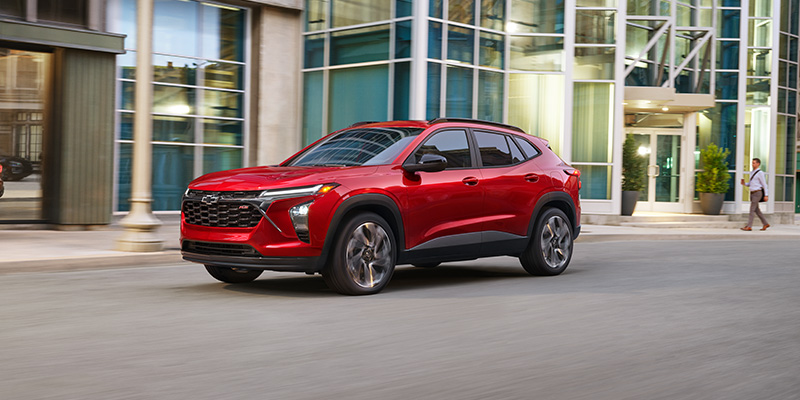
Is the Chevy Trax big enough for everyday driving? The Chevy Trax size is engineered to balance interior usability with a smaller exterior footprint. Vehicle footprint refers to the total space a vehicle occupies on the road, including its length and width, and it directly affects how easy the vehicle is to maneuver and position.
The Chevy Trax uses a compact footprint to reduce the space required for everyday driving tasks. This becomes noticeable in situations like navigating through traffic, turning at intersections, and positioning the vehicle in tighter areas.
The benefit of this design is not just convenience. It reduces the effort required to operate the vehicle in common driving environments:
- A smaller footprint allows easier positioning in traffic lanes
- Reduced length makes turning and navigating tighter streets more manageable
- Narrower width improves comfort in tighter driving spaces
- Overall size reduces the need for constant adjustment in crowded environments
For daily driving, this means the Chevy Trax is designed to feel manageable rather than oversized. It supports consistent use without requiring the driver to compensate for vehicle size.
What Chevy Trax Interior and Cargo Space Mean in Real Use
How much can the Chevy Trax actually carry? Cargo space is the usable storage area behind the seating rows, and its value depends on how that space is shaped and accessed rather than just its total volume.
The Chevy Trax interior is designed to provide functional space for both passengers and cargo without expanding the overall size of the vehicle. This means the available storage area is optimized for everyday items rather than large or irregular loads.
In real use, this translates into practical storage scenarios:
- Cargo space behind the rear seats supports items like groceries, backpacks, and smaller equipment
- The shape of the cargo area allows items to be placed flat for stability
- Rear seat folding expands storage when additional space is needed
- Interior layout supports a balance between passenger seating and cargo needs
The key takeaway is that the Chevy Trax cargo space is designed for routine use. It is intended to handle daily storage needs while maintaining passenger comfort, rather than maximizing capacity at all times.
How Compact Size Improves Maneuverability and Parking
Does a smaller SUV make driving easier? Maneuverability is how easily a vehicle can change direction and navigate tight spaces, and it is directly influenced by the vehicle’s size, turning radius, and overall design.
The Chevy Trax is designed to reduce the effort required for common driving tasks such as parking, turning, and navigating confined areas. A smaller turning radius allows the vehicle to change direction within a tighter space, which becomes especially useful in urban environments.
This design improves everyday driving in several ways:
- Parking requires less space and fewer adjustments
- Turning in tight areas becomes more controlled and predictable
- Navigating crowded parking lots is less demanding
- The driver can maintain better awareness of surrounding space
For drivers who frequently encounter tight parking or busy streets, these advantages reduce both effort and stress during daily use.
What Tradeoffs Exist Between Compact and Larger SUVs
Should I choose a compact SUV over a larger one? The decision involves understanding the tradeoffs between space and usability. Larger SUVs provide more interior volume, but they also require more space to operate and manage.
The Chevy Trax offers a different approach. It focuses on providing enough space for daily needs while improving how the vehicle fits into common driving environments.
These tradeoffs can be evaluated based on how the vehicle is used:
- Compact SUVs like the Chevy Trax prioritize ease of driving over maximum capacity
- Larger SUVs provide more cargo and passenger space but require more effort to maneuver
- Compact size improves efficiency in urban and suburban environments
- Larger size may be beneficial for frequent full capacity use
The important distinction is how often maximum space is actually needed. For many drivers, daily use does not require the capacity of a larger SUV, making the compact design more practical.
How to Decide If the Chevy Trax Fits Your Daily Routine
Is the Chevy Trax the right SUV for your routine? The answer depends on how your daily driving aligns with what the vehicle is designed to do. A good vehicle fit is one that supports your routine without adding unnecessary complexity.
The Chevy Trax is well suited for drivers who value efficiency, ease of use, and practical interior space. It is designed to handle everyday tasks while remaining easy to operate in a variety of environments.
To evaluate if it fits your needs, consider how you drive:
- How often you need to carry passengers and cargo at the same time
- Whether parking and maneuverability are part of your daily routine
- How frequently you require maximum interior space
- Whether ease of driving is a priority in your decision
The Chevy Trax is built to simplify daily driving. Its size, layout, and usability are designed to align with real world routines rather than occasional maximum capacity needs.
Connect with us


- 2026 Chevrolet Corvette
- Allen Chevrolet – MI Service
- Allen Chevy Financing
- certified pre-owned chevrolet
- Chevrolet Financing
- Chevy 3500 HD
- Chevy Accessories
- Chevy Blazer
- Chevy Blazer EV
- Chevy Camaro
- Chevy Colorado
- Chevy Dealer
- Chevy Equinox
- Chevy Equinox EV
- Chevy Malibu
- Chevy Silverado 1500
- Chevy Silverado 2500 HD
- Chevy Silverado 3500HD
- Chevy Silverado EV
- Chevy Suburban
- Chevy SUV's
- Chevy Tahoe
- Chevy Trailblazer
- Chevy Traverse
- Chevy Trax
- Corvette Stingray
- Local Chevy
- Monroe, MI Chevrolet Dealer
- Monroe, MI Chevrolet Service
- Monroe, MI Used Cars
- Silverado EV
- Uncategorized