




Blog / Monroe, MI Chevrolet Dealer

Blog

All Monroe, MI Chevrolet Dealer Chevy Dealer Allen Chevrolet - MI Service Monroe, MI Chevrolet Service Chevy Accessories Monroe, MI Used Cars Chevy Equinox Chevy Silverado 1500 Chevy vehicle maintenance Chevy Blazer EV Chevy SUV's Chevy Blazer Chevy Equinox EV Chevy Trax Local Chevy Chevy Silverado 2500 HD Chevy Traverse Silverado EV Chevy Malibu Chevy Silverado EV Chevy Suburban Chevy Trailblazer 2026 Chevrolet Corvette 2027 Chevrolet Car Dealer Chevrolet Financing Chevy 3500 HD Chevy Colorado Chevy Models For Sale Chevy Silverado 3500HD Chevy Tahoe Corvette Stingray 2026 Chevrolet Corvette Performance 2027 Chevrolet Car For Sale 2027 Chevy Blazer EV LT 2027 Chevy Bolt RS 2027 Chevy Corvette Grand Sport Allen Chevy Financing certified pre-owned chevrolet Chevrolet Battery Chevrolet Car Dealer in Monroe Chevy Brake Service Chevy Camaro Chevy Cars For Sale Chevy EVs Chevy SUV For Sale Chevy Winter Maintenance Corvette Z06 Financing Service in Monroe GM Rewards Trade In Car Service
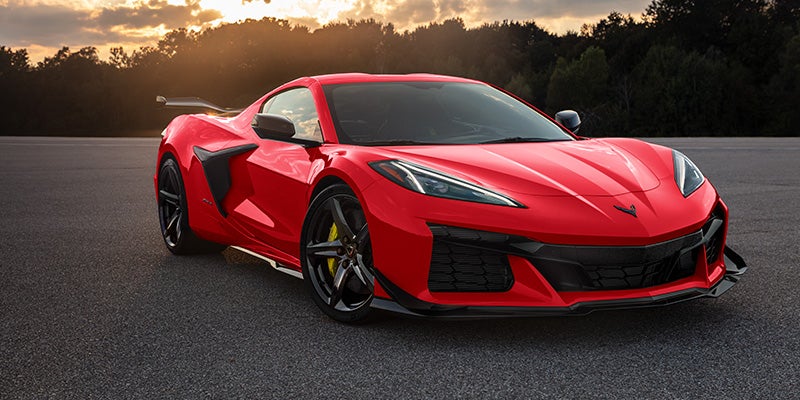
Bright red Chevrolet Corvette Z06 parked on an open road at sunset, showcasing a low aerodynamic design, sharp front styling, and performance wheels.

Corvette Z06 Buying Guide: Everything You Need to Know Before You Buy

If you are researching the Corvette Z06, you are on the right track. This is not an impulse purchase. It is a decision that deserves real thought and preparation. The 2026 Corvette Z06 sits near the top of the lineup, offering serious track capability alongside everyday usability. Drivers in Monroe, Michigan, looking for an elite sports car will find that Allen Chevrolet provides the perfect starting point for this journey. Understanding the Z06 Performance Credentials Performance defines the Z06. A 5.5L flat-plane crankshaft V8 engine produces 670 horsepower and 460 pound-feet of torque. This engine pairs with an eight-speed dual-clutch transmission that sends power to the rear wheels. The result is a car that accelerates with confidence and responds sharply to driver inputs. For anyone wanting genuine sports car performance, the Z06 answers that demand clearly. Trim Levels and How to Choose The Z06 comes in coupe and convertible body styles across multiple trim levels, from the entry-level 1LZ up to the fully loaded 3LZ. The convertible adds an automatic retractable hardtop without sacrificing structural rigidity. Higher trims add features like a head-up display, a premium Bose© audio system, and heated and ventilated seats. Think about your driving plans to guide your trim selection. Corvette Z06 Costs and Expectations Understanding your configuration helps set realistic expectations. Upgrading trims and adding option packages, like the Z07 Performance Package or carbon fiber wheels, changes the total cost quickly. Build your ideal configuration online before visiting the dealership. This preparation clarifies your financing approach well in advance. When to Start Looking for a Corvette Z06 for Sale Timing matters when purchasing a high-performance vehicle. The 2026 model year is currently available, and inventory moves differently than mainstream vehicles. Reaching out early gives you the best chance of finding your preferred color and optional packages. Check in regularly and communicate your priorities to secure the right car. Getting Decision-Ready Before You Buy Preparation makes your buying experience straightforward. Start by reviewing your financing options with a lender. Get an appraisal ahead of time if you have a trade-in vehicle. Request a test drive to experience the Z06 firsthand. Doing this legwork builds confidence for your final decision. Visit Allen Chevrolet to Explore Your Z06 Options Informed buyers make better decisions and enjoy the process more. You may prefer the coupe or the Z06 convertible. Taking the time to research and prepare is always worth it. Drivers throughout Monroe, Michigan, can connect with the team at Allen Chevrolet to check current inventory, explore trim options, and take the next step toward finding a Z06.

A red Chevrolet car parked on the side of a street, in front of a cafe with outdoor seating.

Why Certified Pre-Owned Chevrolet Benefits Are Worth Your Attention

If you're shopping for a Chevrolet but want to stretch your budget further, a certified pre-owned vehicle might be exactly what you're looking for. The benefits of buying a certified pre-owned Chevrolet go well beyond simply buying a used car — they offer a level of confidence and protection that makes the decision feel a lot less risky. No matter where you are in your search, understanding what "certified" really means can help you make a more informed choice. What Makes a Chevrolet Certified Pre-Owned Vehicle Different Not every used car qualifies for Chevrolet's certified pre-owned program. Each vehicle must meet strict age and mileage requirements before it can even be considered. From there, it undergoes a thorough multi-point inspection conducted by trained technicians. This process reviews everything from the engine and transmission to the brakes, tires, and electrical systems. Only vehicles that pass the inspection get the certified designation, so you don’t have to guess the vehicle’s condition. It's been reviewed, documented, and verified. The Warranty Coverage That Comes A Pre-Owned Chevy One of the biggest advantages of choosing a certified pre-owned Chevrolet is the warranty coverage included with your purchase. Certified vehicles come backed by a limited warranty that helps protect you from unexpected repair costs after you drive off the lot. This coverage typically includes powertrain protection, which covers major components like the engine and transmission. Depending on the vehicle, additional coverage may also apply. Financing Options Tailored to Certified Buyers Another benefit of buying a certified pre-owned Chevrolet  is access to competitive financing. Certified pre-owned vehicles often qualify for special financing rates through GM Financial, which can make monthly payments more manageable. Drivers throughout Monroe, Michigan, who are looking to manage their monthly budget without giving up quality, often find that certified pre-owned financing hits the right balance. Certified Pre-Owned vs. New Chevy: How Do They Compare? When you look at certified pre-owned vs. new Chevy side by side, the differences come down to a few key areas: price, depreciation, and features. A new vehicle depreciates quickly in the first year or two of ownership. A certified pre-owned vehicle has already gone through that initial value drop, which means you're often getting a well-equipped model at a more accessible price point. However, new models offer the latest technology, updated styling, and fresh warranty coverage from day one. Your decision really depends on your priorities — and understanding both sides can help you make your choice. Peace of Mind You Can Actually Feel Beyond the paperwork and program details, certified pre-owned Chevrolet benefits ultimately come down to one thing: peace of mind. You're buying a vehicle that has been held to a higher standard than a typical used car, with documentation to back it up. That's a meaningful difference when you're making a significant financial decision. You're not just hoping the car is in good shape — you have the inspection records, warranty coverage, and program backing to confirm it. If you're ready to explore your options, the team at Allen Chevrolet is here to help you find a certified pre-owned vehicle that fits your life and your budget. Visit us at Allen Chevrolet - MI to browse available inventory and take the next step with confidence.

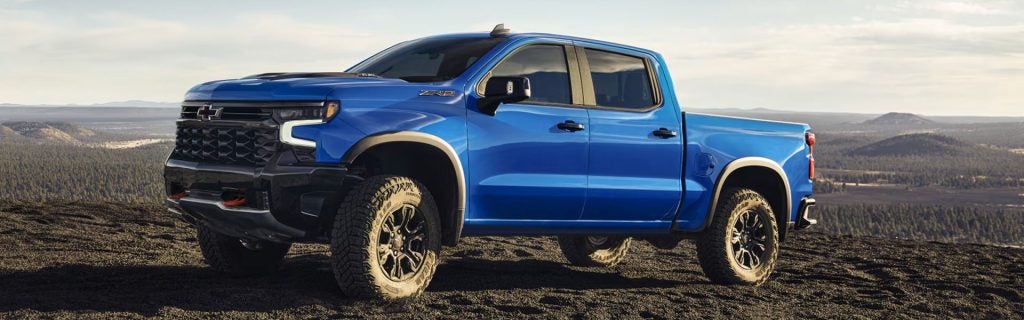
A blue Chevrolet Silverado 1500 pickup truck parked on rocky terrain with a mountainous background.

Chevy Silverado 1500 Trim Levels Explained: Which One Is Right for You?

If you've been shopping for a new pickup truck, you already know the 2026 Chevy Silverado 1500 is one of the most capable and versatile trucks on the market. But with nine available models to choose from, it can feel overwhelming to figure out where to start. That's where having the Chevy Silverado 1500 trim levels explained in plain language makes all the difference. Here's a straightforward look at each one. The Work-Ready Starting Point: WT (Work Truck) The Silverado WT gives you the same powerful TurboMax™ engine found across the lineup, delivering 310 hp and a best-in-class 430 lb-ft of torque. The WT also offers the Durabed cargo bed, which features 89.1 cu ft of best-in-class standard cargo volume and 12 tie-downs rated at 500 lbs per corner. An available 5.3L EcoTec3 V8 engine and Adaptive Cruise Control round out a surprisingly well-equipped entry point for buyers who need a hardworking truck without paying for features they'll never use. Value and Style Combined: Custom and Custom Trail Boss The Custom trim adds 20-in Bright Silver-painted aluminum wheels, a signature Chevrolet grille, a 10-way power driver seat, and a Trailering Package. The Custom Trail Boss includes a 2-in factory suspension lift, the Z71 Off-Road Package, an Autotrac 2-speed transfer case, automatic locking rear differential, and Goodyear Wrangler Territory® MT tires. The Middle Ground Sweet Spot: LT and RST The LT marks a significant jump in tech and comfort. You get a 13.4-in touchscreen display, a 12.3-in reconfigurable Driver Information Center, LED reflector headlamps, and an available safety package with HD Surround Vision. The RST leans into bold street style with body-color grille bars, bumpers, and door handles. It's also one of the most versatile trims in the lineup, offering four engine options — including the 6.2L EcoTec3 V8 — and available Special Editions like the Redline, Select, and Rally packages. Off-Road Authority: LT Trail Boss and ZR2 The LT Trail Boss combines the comfort and tech of the LT with a 2-in factory suspension lift, raised black hood insert, automatic locking rear differential, and 20-in high-gloss Black-painted wheels. At the top of the off-road hierarchy sits the ZR2, this is the most capable off-road Silverado in the 1500 lineup, featuring Multimatic DSSV dampers, front and rear electronic locking differentials, 33-in Goodyear Wrangler Territory® MT tires, an off-road cut front bumper, and large underbody aluminum skid plates. The ZR2 also enables a 33.5-degree approach angle and includes the available Multi-Flex Tailgate with six different configurations. Premium Comfort and Capability: LTZ and High Country The LTZ and High Country trims are where luxury and performance meet. The LTZ includes front perforated leather appointed seating surfaces, 20-in painted aluminum wheels, and up to eight cameras with 14 available views. The High Country features premium leather seating with custom perforation and stitching, authentic open-pore wood trim, and available Super Cruise® driver assistance technology — the only hands-free driving system in its class that supports towing. An available sport mode-enabled active exhaust with the 6.2L V8 adds one more layer of performance. Safety Across Every Trim Level No matter which model you choose, every 2026 Silverado comes with standard Chevy Safety Assist — a package of six advanced safety and driver assistance features. These include Forward Collision Alert, Automatic Emergency Braking, Front Pedestrian Braking, Lane Keep Assist with Lane Departure Warning, a Following Distance Indicator, and a Rear Vision Camera. Upper trims build on this foundation with available features like Rear Cross Traffic Braking, Front and Rear Park Assist, Trailer Side Blind Zone Alert, and HD Surround Vision. The Silverado was also named America's No. 1 Full-Size Pickup for Initial Quality by J.D. Power in 2025, which speaks to the overall reliability you can expect across the entire lineup. Find Your Silverado in Monroe, MI Now that you have the Chevy Silverado 1500 trim levels explained in a way that's easy to compare, the next step is simple: find the one that fits your life. Whether you're drawn to the straightforward capability of the Work Truck or the polished refinement of the High Country, there's a 2026 Silverado built for exactly what you need. Stop by Allen Chevrolet in Monroe, MI to explore the full Silverado 1500 lineup in person. The team at Allen Chevrolet - MI is ready to help you find the right trim, the right configuration, and the right truck to get the job done — every single day.

A blue 2026 Chevrolet Corvette sports car driving on a bridge at night.

2026 Chevrolet Corvette Performance: A Full Lineup Breakdown

If you've been following the Corvette story, you already know this is one of the most exciting sports cars ever built in America. The 2026 Chevrolet Corvette performance lineup takes everything enthusiasts love about the nameplate and pushes it further — with more power, more refinement, and more options to match exactly how you want to drive. Let’s break down each model so you can figure out which Corvette speaks to you. The Stingray: Where 2026 Chevrolet Corvette Performance Begins The Stingray is the entry point into the Corvette family, and it's anything but ordinary. It delivers up to 495 hp with an available 0-to-60 mph time of 2.9 seconds. That also translates to an available quarter-mile run of 11.2 seconds. What makes the Stingray appealing is that it balances performance with practicality. It offers a coupe with a removable roof panel or a fully retractable hardtop convertible, giving you flexibility depending on the weather and your mood. The driver-focused interior is designed to put every control exactly where your hands naturally fall. The E-Ray: Electrified All-Wheel Drive Performance The E-Ray is the first-ever hybrid and all-wheel drive Corvette, thanks to an electrified front axle paired with the traditional rear-mounted V8. Together, they produce 655 combined hp and get the car from 0 to 60 mph in just 2.5 seconds. A quarter-mile time of 10.5 seconds speaks to just how capable this powertrain really is. The E-Ray isn't trying to be a hybrid in the traditional fuel-economy sense — it's using electric technology for performance. The Z06: Track-Born, Naturally Aspirated Excellence The Z06 is built for drivers who dream about lap times. It's powered by the LT6 5.5L V8 with a flat-plane crankshaft — the same type of technology you'd find in purpose-built racing machines. The result is 670 hp, and an available 0-to-60 mph time of 2.6 seconds. This is the most powerful naturally aspirated production Corvette ever made, and it draws directly from racing heritage earned at Le Mans, Sebring, and Daytona. When you dig into the 2026 Chevy Corvette features across the trim levels, the Z06 stands out for the way its powertrain feels — linear, responsive, and intoxicating at high RPM. The ZR1: Twin-Turbocharged, Track-Tested Dominance The ZR1 represents a major escalation in what a street-legal Corvette can do. At its heart is a twin-turbocharged 5.5L V8 engine producing 1,064 hp at 7,000 rpm. That translates to an available quarter-mile time of 9.6 seconds at 150 mph. Edge-to-edge aerodynamics work alongside the powertrain to keep everything planted and controlled at the kind of speeds most drivers will never test. The ZR1X: The Pinnacle of 2026 Chevrolet Corvette Performance At the very top of the 2026 Chevrolet Corvette performance hierarchy sits the ZR1X — and it's unlike anything Chevrolet has offered before. It adds hybrid all-wheel drive technology to the ZR1's turbocharged 5.5L LT7 V8, combining the combustion engine with an electric front-drive unit for 1,250 combined hp. The numbers are staggering: 0 to 60 mph in 1.89 seconds, and a quarter-mile in 8.99 seconds at 157 mph. How the 2026 Lineup Compares to Where Corvette Has Been Looking at the 2026 Corvette lineup as a whole, the growth is clear. More horsepower is available across every model. The addition of hybrid all-wheel drive technology — both in the E-Ray and the new ZR1X — shows that Chevrolet is willing to use electrification in service of performance rather than as a compromise. The aerodynamics are more sophisticated, the interiors more driver-focused, and the lap times more competitive than ever before. Come Experience the 2026 Corvette Lineup If you're in Monroe, Michigan, and ready to explore what the 2026 Chevrolet Corvette performance lineup has to offer, now is a great time to take a closer look. Whether you're drawn to the accessible thrill of the Stingray or the record-setting capability of the ZR1X, each model brings something distinct to the table. Visit Allen Chevrolet to explore available inventory, compare trims, and connect with a team that knows the Corvette inside and out.

What Good Service Updates Should Look Like When Your Vehicle Needs More Than a Quick Visit

When a vehicle stays in service longer than expected, the experience shifts from routine maintenance to uncertainty. That uncertainty is not created by the repair itself. It is created by a lack of visibility into what is happening. What should service updates look like during a longer repair, and how should you know what is happening with your vehicle? The service process is the sequence of inspection, diagnosis, approval, repair, and completion, and each stage produces information that should be communicated clearly. Understanding how that communication should work is what allows a longer service visit to feel controlled instead of unclear. Why Longer Service Visits Create Uncertainty Without Communication What should service updates look like during a longer repair? Communication is the process of providing updates on vehicle status, timing, and next steps. When that communication is missing, even a standard repair can feel unpredictable. During extended service visits, the vehicle is out of the owner’s control for a longer period of time. Without updates, there is no way to understand whether progress is being made or what stage the repair is in. This creates a gap between what is happening in the service department and what the customer understands. This gap leads to uncertainty because: The vehicle repair timeline is not visible to the customer Changes or delays are not explained as they occur The customer does not know when the next update will happen The process feels inactive even when work is progressing The key issue is not the length of the repair. It is whether the process is being communicated as it unfolds. What the Full Service Process Looks Like During Extended Repairs What actually happens during a multi day vehicle repair? The service process is the sequence of inspection, diagnosis, approval, repair, and completion, and each stage serves a specific purpose in identifying and resolving the issue. Extended repairs often involve multiple stages because the issue may not be immediately visible during initial inspection. Diagnosis requires identifying the root cause of the problem, which can take time depending on system complexity. The full process typically includes: Initial inspection to identify visible or reported issues Diagnostic testing to determine the underlying cause Approval stage where repair scope and cost are confirmed Repair phase where parts are replaced or systems are corrected Final verification to ensure the issue is resolved Each of these stages generates new information. Without communication, those transitions are invisible to the customer, even though they are critical to the repair. When Updates Should Happen During Multi Day Service How often should I receive updates during service? Updates should occur when the vehicle moves between stages or when new information affects the timeline or outcome. This creates a structured communication pattern rather than random updates. In a Chevrolet service process, updates should align with key moments: After inspection to explain initial findings After diagnosis to confirm the exact issue Before repairs begin to approve cost and scope During repair if delays or changes occur At completion to explain what was done and what to expect next This structure ensures that the customer remains informed at the points where decisions or expectations change. It also creates consistency, which reduces uncertainty. The frequency of updates is less important than the timing. Updates need to happen when they are meaningful, not simply on a schedule without new information. Why Timelines Change and What Causes Delays Why do repair timelines change after diagnosis? A repair timeline is the expected duration for each stage of service, but that timeline can shift as new information is discovered. Delays are often the result of factors within the service process rather than external issues. Diagnosis may reveal additional problems that were not visible during inspection. Parts may need to be ordered, and availability can affect how quickly repairs can continue. Several factors contribute to timeline changes: Additional issues discovered during diagnostic testing Parts availability and delivery timing Complexity of the repair and required labor Scheduling and coordination within the service department These factors are part of how modern vehicle systems are serviced. The important distinction is whether those changes are communicated clearly when they occur. When delays are explained in context, they become part of the process rather than a source of frustration. What Clear Service Communication Should Look Like for Customers How should a dealership communicate during service? Clear communication should provide structured, consistent updates that align with each stage of the repair process. A strong service experience is built on communication that keeps the customer connected to what is happening with their vehicle. This means explaining not only what is being done, but why it is being done and what comes next. Customers should expect: Updates tied to each stage of the Chevrolet service process Clear explanation of findings, repairs, and timeline changes Advance communication when additional work is needed Consistent follow through until the repair is complete These elements define what good service updates look like. They turn a longer repair from an uncertain experience into one that feels structured and understandable.

Chevy Hybrid Questions, Answered: What Drivers Should Know About Electrified Options in the Lineup

Shoppers searching for Chevy hybrid models are often trying to answer a more basic question before they ever look at a specific vehicle. Does Chevy actually make hybrid vehicles, and what do those searches really mean in the context of the current lineup? The confusion comes from how electrified vehicles are categorized. A hybrid is a vehicle that uses both a gas engine and an electric motor, while an electric vehicle is powered entirely by a battery and electric motor. Understanding how these systems work and how they apply to Chevrolet’s lineup is what allows you to make the right decision before narrowing down to a specific model. What “Hybrid” Means and How the System Works What is a hybrid vehicle and how does it work? A hybrid vehicle uses both a gasoline engine and an electric motor to move the vehicle, combining two power sources into a single system. The system is designed to improve efficiency by using electric power when it is most effective and relying on the engine when more sustained power is needed. In a hybrid system, the electric motor assists the engine during acceleration and low speed driving. Energy is stored in a battery that is charged through regenerative braking, which captures energy that would otherwise be lost when slowing down. This system works through coordinated interaction: The electric motor provides assistance during low speed operation and acceleration The gasoline engine supports higher speed driving and sustained power needs Regenerative braking captures energy and stores it in the battery The system switches between or combines power sources depending on driving conditions For drivers, this means a hybrid vehicle changes how energy is used rather than replacing the engine entirely. It is designed to improve efficiency without requiring a change in fueling habits. How Chevy’s Electrified Lineup Is Structured Today Does Chevy actually make hybrid vehicles? The Chevrolet electrified lineup is currently more focused on fully electric vehicles rather than traditional hybrid systems. When shoppers search for Chevy hybrid models, they are often looking for fuel efficient or electrified options, even if those vehicles are fully electric rather than hybrid. This distinction matters because the lineup is structured differently than some other brands. Chevrolet has invested heavily in electric vehicles, which are powered entirely by battery systems rather than combining engine and motor operation. The Chevrolet electrified lineup can be understood through its structure: Fully electric vehicles rely entirely on battery power and do not use gasoline Hybrid systems combine engine and electric motor operation Plug-in hybrid systems allow external charging while still using a gas engine For Chevy, the focus has shifted toward electric vehicles as the primary electrified solution. This means shoppers searching for hybrid options may actually be better aligned with electric models depending on their goals. What the Difference Is Between Hybrid, Plug-In Hybrid, and EV Systems What is the difference between hybrid and electric vehicles? A hybrid vehicle combines a gasoline engine and electric motor, while an electric vehicle uses only a battery and electric motor for propulsion. A plug-in hybrid is a hybrid with a larger battery that can be charged externally, allowing it to operate on electric power for short distances before using the engine. These systems differ in how energy is stored and used: Hybrid systems generate and use electricity internally without external charging Plug-in hybrids allow external charging and can operate in electric-only mode for limited distances Electric vehicles rely entirely on battery storage and require external charging Each system changes how the vehicle is used: Hybrid systems reduce fuel consumption without changing refueling habits Plug-in hybrids introduce partial electric driving with flexibility Electric vehicles eliminate gasoline use and rely on charging infrastructure Understanding these differences is critical because they determine how the vehicle fits into your daily routine and long-term ownership. How Electrified Systems Change Real-World Driving How do hybrid and EV systems affect everyday driving? Electrified systems change how energy is delivered to the vehicle and how the driver interacts with that energy during daily use. In hybrid systems, the transition between engine and electric motor is designed to be seamless. The driver experiences improved efficiency without needing to adjust how they drive or refuel. In electric vehicles, the experience changes more significantly because the vehicle operates entirely on battery power. This creates different driving experiences: Hybrid vehicles maintain familiar driving patterns with improved efficiency Electric vehicles deliver instant torque and quieter operation Charging replaces refueling in electric vehicles Energy use becomes more visible through range and battery management For Chevy EV models, this shift is central to how the vehicle operates. The experience is defined by how energy is stored, delivered, and managed rather than by traditional engine behavior. How to Decide Which Electrified Option Fits Your Needs Should I choose a hybrid or electric Chevy vehicle? The decision depends on how you drive and how comfortable you are with different energy systems. The Chevrolet electrified lineup is designed to support drivers moving toward electric mobility, but the right choice depends on your routine and expectations. To evaluate which option fits, consider: Whether you prefer traditional refueling or are open to charging How far you drive on a regular basis Whether you want a gradual transition to electrification or a full shift How your driving environment supports charging or fuel access The key is aligning the system with your daily use. Hybrid systems offer familiarity with added efficiency, while electric vehicles offer a fully different approach to energy and driving. Understanding that difference allows you to choose with clarity.

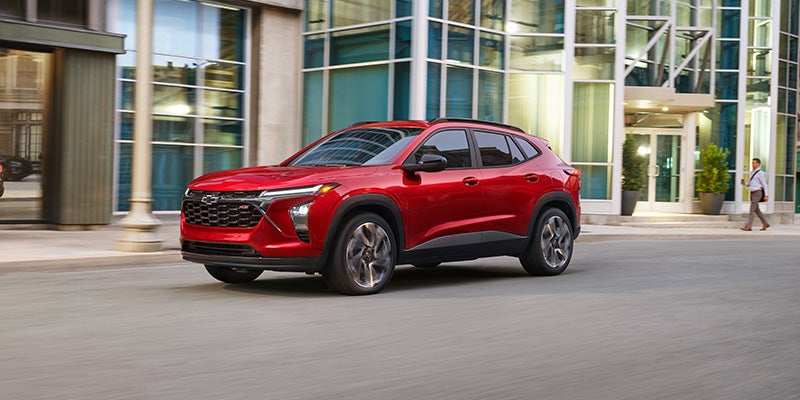
Is the 2026 Chevy Trax a Good Fit for Drivers Who Want SUV Space Without Full Size Bulk?

Choosing the right SUV is not just about getting more space. It is about getting the right amount of space for how you actually drive every day. The 2026 Chevy Trax is designed as a compact SUV, which means it prioritizes efficiency, maneuverability, and practical interior space over overall size. A compact SUV is a smaller sport utility vehicle designed to provide usable passenger and cargo space while remaining easier to drive and park than larger models. That leads to a key question. Is the Chevy Trax big enough for everyday life, or does its smaller footprint create limitations over time? The answer depends on how its size translates into real world use. How Chevy Trax Size Is Designed for Daily Usability Is the Chevy Trax big enough for everyday driving? The Chevy Trax size is engineered to balance interior usability with a smaller exterior footprint. Vehicle footprint refers to the total space a vehicle occupies on the road, including its length and width, and it directly affects how easy the vehicle is to maneuver and position. The Chevy Trax uses a compact footprint to reduce the space required for everyday driving tasks. This becomes noticeable in situations like navigating through traffic, turning at intersections, and positioning the vehicle in tighter areas. The benefit of this design is not just convenience. It reduces the effort required to operate the vehicle in common driving environments: A smaller footprint allows easier positioning in traffic lanes Reduced length makes turning and navigating tighter streets more manageable Narrower width improves comfort in tighter driving spaces Overall size reduces the need for constant adjustment in crowded environments For daily driving, this means the Chevy Trax is designed to feel manageable rather than oversized. It supports consistent use without requiring the driver to compensate for vehicle size. What Chevy Trax Interior and Cargo Space Mean in Real Use How much can the Chevy Trax actually carry? Cargo space is the usable storage area behind the seating rows, and its value depends on how that space is shaped and accessed rather than just its total volume. The Chevy Trax interior is designed to provide functional space for both passengers and cargo without expanding the overall size of the vehicle. This means the available storage area is optimized for everyday items rather than large or irregular loads. In real use, this translates into practical storage scenarios: Cargo space behind the rear seats supports items like groceries, backpacks, and smaller equipment The shape of the cargo area allows items to be placed flat for stability Rear seat folding expands storage when additional space is needed Interior layout supports a balance between passenger seating and cargo needs The key takeaway is that the Chevy Trax cargo space is designed for routine use. It is intended to handle daily storage needs while maintaining passenger comfort, rather than maximizing capacity at all times. How Compact Size Improves Maneuverability and Parking Does a smaller SUV make driving easier? Maneuverability is how easily a vehicle can change direction and navigate tight spaces, and it is directly influenced by the vehicle’s size, turning radius, and overall design. The Chevy Trax is designed to reduce the effort required for common driving tasks such as parking, turning, and navigating confined areas. A smaller turning radius allows the vehicle to change direction within a tighter space, which becomes especially useful in urban environments. This design improves everyday driving in several ways: Parking requires less space and fewer adjustments Turning in tight areas becomes more controlled and predictable Navigating crowded parking lots is less demanding The driver can maintain better awareness of surrounding space For drivers who frequently encounter tight parking or busy streets, these advantages reduce both effort and stress during daily use. What Tradeoffs Exist Between Compact and Larger SUVs Should I choose a compact SUV over a larger one? The decision involves understanding the tradeoffs between space and usability. Larger SUVs provide more interior volume, but they also require more space to operate and manage. The Chevy Trax offers a different approach. It focuses on providing enough space for daily needs while improving how the vehicle fits into common driving environments. These tradeoffs can be evaluated based on how the vehicle is used: Compact SUVs like the Chevy Trax prioritize ease of driving over maximum capacity Larger SUVs provide more cargo and passenger space but require more effort to maneuver Compact size improves efficiency in urban and suburban environments Larger size may be beneficial for frequent full capacity use The important distinction is how often maximum space is actually needed. For many drivers, daily use does not require the capacity of a larger SUV, making the compact design more practical. How to Decide If the Chevy Trax Fits Your Daily Routine Is the Chevy Trax the right SUV for your routine? The answer depends on how your daily driving aligns with what the vehicle is designed to do. A good vehicle fit is one that supports your routine without adding unnecessary complexity. The Chevy Trax is well suited for drivers who value efficiency, ease of use, and practical interior space. It is designed to handle everyday tasks while remaining easy to operate in a variety of environments. To evaluate if it fits your needs, consider how you drive: How often you need to carry passengers and cargo at the same time Whether parking and maneuverability are part of your daily routine How frequently you require maximum interior space Whether ease of driving is a priority in your decision The Chevy Trax is built to simplify daily driving. Its size, layout, and usability are designed to align with real world routines rather than occasional maximum capacity needs.

How Chevy Equinox EV Lease Offers Work and What Changes Your Monthly Payment

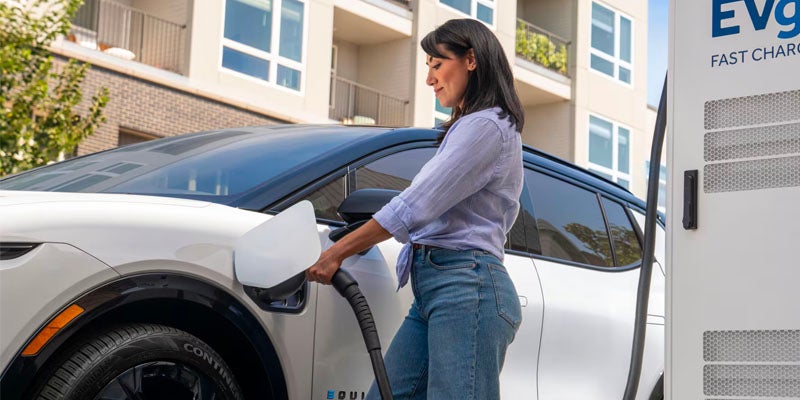
Lease offers for the Chevy Equinox EV often look straightforward at first glance, but the monthly payment attached to those offers can vary more than most shoppers expect. That leads to a common set of questions. Why do Chevy Equinox EV lease payments vary so much, and what actually determines your monthly cost? A lease payment is the monthly cost based on depreciation, financing, and lease terms, and each of those elements changes depending on how the lease is structured. Understanding how those pieces work together is what allows you to evaluate a lease beyond the advertised number. How Chevy Equinox EV Lease Payments Are Structured What actually makes up a Chevy Equinox EV lease payment? A lease payment is built from three core components. Depreciation, financing, and terms. Depreciation is the portion of the vehicle’s value that is used during the lease period. Residual value is the estimated value of the vehicle at the end of the lease, and it determines how much depreciation is included in the payment. For a Chevy Equinox EV lease, the difference between the starting vehicle price and the residual value is what you are effectively paying for over time. Financing is applied through a money factor, which is the rate used to calculate the cost of borrowing during the lease. This structure creates the monthly payment: Depreciation determines how much of the vehicle’s value is used during the lease Residual value reduces the amount you are paying for over time Money factor adds the cost of financing to the payment Lease term defines how long those costs are spread across The key takeaway is that a Chevy Equinox EV lease payment is not a single number pulled from pricing. It is the result of how these components interact. What Actually Changes Your Monthly Lease Payment Why do Equinox EV lease payments vary so much? The variation comes from how each of the core lease components can change depending on the structure of the deal. Even when two vehicles appear similar, small differences in structure can create noticeable changes in monthly cost. These differences are often tied to how depreciation is calculated, how the lease is financed, and what upfront costs are included. Several factors influence how the payment shifts: Changes in vehicle pricing directly affect depreciation Residual value differences change how much value is financed Money factor adjustments increase or decrease financing cost Upfront costs can reduce or increase the monthly payment depending on how they are applied This is why advertised lease payments can differ from what a shopper sees when building their own lease. The structure behind the number is what determines the final cost. How EV Incentives Affect Equinox EV Lease Pricing Do EV incentives lower your lease payment? EV incentives are financial credits or programs that reduce the effective cost of the vehicle, and in a Chevy Equinox EV lease, they can be applied in a way that lowers the amount being financed. These incentives can come from manufacturer programs or other qualifying credits, and they are typically applied before the lease payment is calculated. This reduces the overall cost that is being spread across the lease term. The impact of incentives can be seen in how they change the structure: Incentives reduce the starting value used in the lease calculation Lower starting value decreases the total depreciation included in the payment Reduced depreciation leads to a lower monthly cost Incentives can vary based on eligibility, timing, and program availability For shoppers, this means that two Chevy Equinox EV lease offers can look similar but produce different payments depending on how incentives are applied. Understanding whether incentives are included in the advertised payment is essential when comparing offers. Why Lease Terms and Mileage Change Your Cost How do lease terms and mileage affect monthly cost? Lease term is the length of time the vehicle is leased, and mileage is the number of miles allowed per year. Both factors directly influence how the lease payment is calculated. A longer lease term spreads depreciation over more months, which can reduce the monthly payment. A shorter term concentrates that cost into fewer months, which increases the payment. Mileage affects the residual value because higher mileage reduces the expected value of the vehicle at the end of the lease. These adjustments create tradeoffs in the lease structure: Longer terms reduce monthly payments but extend the lease duration Shorter terms increase monthly payments but reduce total time commitment Higher mileage allowances lower residual value and increase monthly cost Lower mileage allowances increase residual value and reduce monthly cost For a Chevy Equinox EV lease, these decisions should align with how you actually drive. Choosing terms that do not match your routine can change the value of the lease over time. How to Evaluate If an Equinox EV Lease Makes Sense How do you know if a lease payment is a good deal? A strong lease evaluation is not based only on the monthly number. It is based on how that number is built and whether it aligns with your driving habits and financial priorities. The Chevy Equinox EV lease makes sense when the structure of the payment matches how you plan to use the vehicle. This means evaluating both the cost and the conditions behind it. When reviewing a lease, focus on: Whether incentives are included in the payment calculation How the lease term aligns with your ownership timeline Whether mileage limits match your driving habits How the payment compares to the value you receive during the lease The goal is to understand the reasoning behind the payment rather than comparing numbers alone. When the structure is clear, the decision becomes more straightforward.

The 2026 Chevrolet Equinox: A Versatile Family SUV

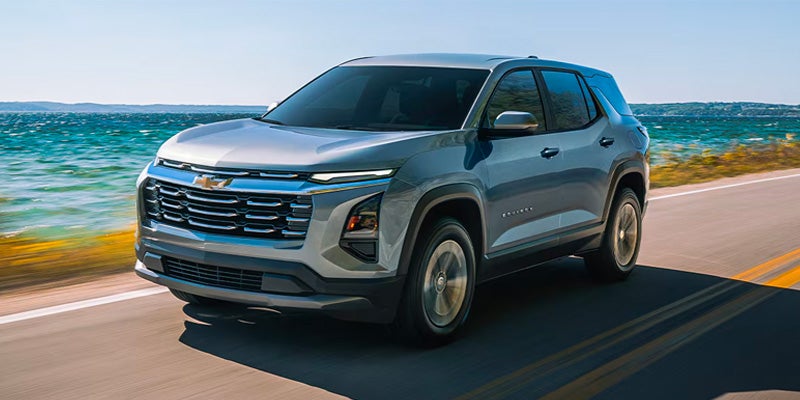
Compact SUVs have become one of the most popular vehicle segments because they balance efficiency, practicality, and everyday comfort. Drivers researching the 2026 Chevrolet Equinox are often looking for a vehicle that can handle daily commuting, family transportation, and weekend travel without requiring the size or fuel consumption of a larger SUV. Many shoppers want to understand how the Equinox engine delivers both efficiency and performance, how the interior adapts to passengers and cargo, and how safety and traction technologies support everyday driving. The 2026 Chevrolet Equinox brings these elements together in a compact SUV designed to handle a wide range of daily responsibilities. How the 2026 Chevrolet Equinox Turbocharged Engine Balances Power and Efficiency Many drivers researching the 2026 Chevrolet Equinox engine want to understand how a turbocharged four cylinder engine can provide both responsive performance and fuel efficiency. Turbocharging is a system that uses exhaust gases to spin a turbine that forces additional air into the engine’s combustion chamber. With more air entering the engine, fuel can burn more efficiently, allowing a smaller engine to produce stronger power output without increasing fuel consumption. The 2026 Chevrolet Equinox turbocharged engine delivers the kind of torque that compact SUV drivers expect when accelerating onto highways or climbing hills with passengers and cargo onboard. Torque plays an important role in everyday drivability because it determines how easily a vehicle can build speed and maintain momentum. This engine design allows the 2026 Chevrolet Equinox to provide a balance of power and efficiency that suits daily commuting while still offering confident acceleration during longer highway drives. Why the 2026 Chevrolet Equinox Interior Works for Everyday Driving Interior usability is another major factor for drivers comparing compact SUVs. The 2026 Chevrolet Equinox seating layout is designed to provide comfortable passenger space while maintaining easy entry and visibility. The Equinox provides seating for five passengers with supportive front seats and a rear bench designed to accommodate both adults and children. Wide door openings and a raised seating position help drivers maintain clear visibility of surrounding traffic. Drivers evaluating compact SUVs often consider several interior factors. • Seating comfort during longer drives • Headroom and legroom for rear passengers • Visibility from the driver’s seat • Interior storage for personal items The 2026 Chevrolet Equinox interior design focuses on providing a practical environment that supports everyday driving. Whether the vehicle is being used for commuting, errands, or family transportation, the layout is designed to remain comfortable during extended travel. How the Equinox Cargo System Supports Real Life Utility Cargo space is another area where compact SUVs must deliver flexibility. The 2026 Chevrolet Equinox cargo space is designed to adapt as passenger and storage needs change. Behind the rear seats, the cargo area can handle everyday items such as grocery bags, backpacks, or sports equipment. When additional room is needed, the rear seats fold down to expand the cargo area and allow larger items to fit inside the vehicle. This flexibility allows the 2026 Chevrolet Equinox cargo system to support a wide variety of daily tasks. • Carrying luggage during road trips • Transporting sports equipment or camping gear • Handling large grocery trips • Moving small furniture or home improvement materials Because the cargo area can change quickly from passenger seating to storage space, the Equinox can adapt to the different activities that drivers encounter throughout the week. How the 2026 Chevrolet Equinox AWD System Improves Traction Drivers living in regions with rain, snow, or changing road conditions often consider all wheel drive when choosing a compact SUV. All wheel drive is a drivetrain system that distributes power to both the front and rear wheels when traction conditions require additional stability. The 2026 Chevrolet Equinox AWD system monitors wheel movement and road conditions to determine when additional traction is needed. If the system detects wheel slip, it can redirect power to the wheels that maintain better grip on the road surface. This capability helps the 2026 Chevrolet Equinox maintain stability during slippery driving conditions such as wet pavement or snow covered roads. For drivers who experience seasonal weather changes, this system provides additional confidence when navigating unpredictable road surfaces. How Chevy Safety Assist Helps Protect Equinox Drivers Safety technology has become one of the most important considerations for drivers researching compact SUVs. The 2026 Chevrolet Equinox safety features center around the Chevrolet Safety Assist system. Driver assistance technology uses sensors, cameras, and radar to monitor the road environment and support the driver when potential hazards appear. Key components of the 2026 Chevrolet Equinox Chevy Safety Assist package include: • Automatic Emergency Braking • Forward Collision Alert • Lane Keep Assist with Lane Departure Warning • Following Distance Indicator • IntelliBeam automatic high beams These systems help drivers maintain awareness of surrounding traffic and road conditions. While they do not replace attentive driving, they can help reduce the risk of common collisions by providing warnings or automated braking assistance when needed. For drivers transporting family members or passengers regularly, these safety technologies add an extra level of reassurance. Why the Equinox Technology Experience Matters Modern vehicles increasingly integrate digital technology to support connectivity and vehicle monitoring. The 2026 Chevrolet Equinox interior technology is designed to make everyday driving more convenient. Large infotainment displays allow drivers to access navigation, vehicle settings, and entertainment from a central touchscreen. Smartphone integration allows drivers to connect their devices to the vehicle, making it easier to access music, calls, and navigation apps during travel. Drivers can also monitor vehicle information such as fuel economy, trip data, and system alerts directly through the dashboard display. These features allow the 2026 Chevrolet Equinox to provide a connected driving experience that supports both short daily trips and longer journeys. What Makes the 2026 Chevrolet Equinox a Practical Choice The 2026 Chevrolet Equinox continues to attract attention because it combines several practical features in a compact SUV platform designed for everyday use. The Equinox offers: • A turbocharged engine designed to balance performance and fuel efficiency • Comfortable seating for passengers with a practical interior layout • Flexible cargo space that adapts to changing needs • Available all wheel drive for improved traction in challenging weather • Driver assistance technologies that support safer driving For drivers searching for a compact SUV capable of handling daily commuting, family transportation, and weekend travel, the 2026 Chevrolet Equinox provides a combination of efficiency, comfort, and versatility that fits a wide range of driving needs.

Explore the 2026 Chevrolet Traverse: Features, Capability, and What Drivers Love

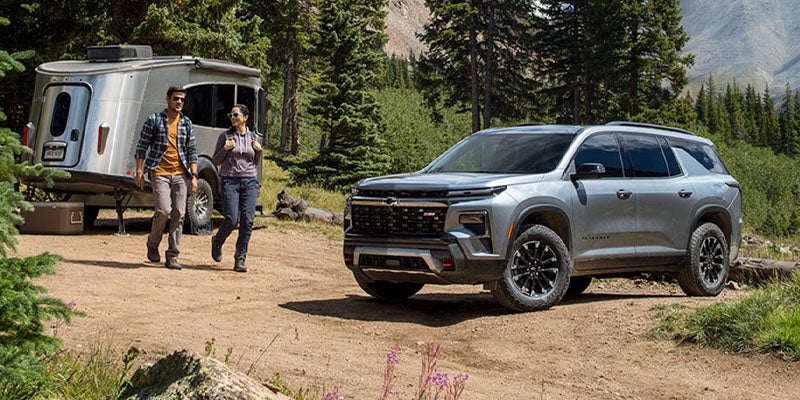
Three row SUVs are designed to balance several priorities at once. Families want passenger space, cargo flexibility, safety technology, and enough performance to handle daily commuting and long road trips. The 2026 Chevrolet Traverse has attracted attention because it approaches these needs with a redesigned powertrain, updated interior technology, and a layout designed specifically for family travel. Shoppers researching the Traverse are often trying to understand how its turbocharged engine performs in a larger SUV, how the interior adapts to different passenger and cargo needs, and what safety systems support everyday driving. The 2026 Chevrolet Traverse brings these elements together in a vehicle designed to handle both routine transportation and longer family adventures. How the 2026 Chevrolet Traverse Turbocharged Engine Delivers Performance Many drivers researching the 2026 Chevrolet Traverse engine want to understand how a turbocharged four cylinder compares with the V6 engines previously used in midsize SUVs. Turbocharging is a system that uses exhaust gases to spin a turbine, which forces additional air into the engine’s combustion chamber. With more air available, the engine can burn fuel more efficiently and generate stronger power output even with a smaller engine. The 2026 Chevrolet Traverse turbocharged engine produces strong horsepower and torque while improving efficiency compared with traditional larger engines. Torque is particularly important for SUVs because it determines how effectively a vehicle accelerates when carrying passengers or cargo. This power delivery helps the 2026 Chevrolet Traverse maintain confident acceleration when merging onto highways or climbing steep grades during road trips. The turbocharged setup allows the engine to produce strong pulling power while maintaining fuel efficiency during everyday commuting. For drivers used to larger engines, the turbocharged design provides similar performance characteristics while supporting modern efficiency standards. Why the 2026 Chevrolet Traverse Interior Works for Family Travel Interior space is one of the most important factors for families comparing three row SUVs. The 2026 Chevrolet Traverse seating layout is designed to provide room for passengers in all three rows while maintaining comfortable access to the rear seats. The Traverse offers seating for up to eight passengers depending on configuration. Second row captain’s chairs are also available, which can make it easier for passengers to access the third row without moving seats forward. Families evaluating three row SUVs typically consider several practical factors. • Legroom and headroom for passengers in every row • Ease of entry to the third row • Visibility and seating comfort during long trips • Storage areas for smaller personal items The 2026 Chevrolet Traverse interior design focuses on making longer drives comfortable for both drivers and passengers. Wide door openings and flexible seating configurations allow families to adapt the cabin for school runs, carpools, and weekend travel. How the Traverse Cargo System Adapts to Real Life Cargo flexibility is another area where families want practical usability rather than simple measurements. The 2026 Chevrolet Traverse cargo space is designed to adapt quickly as passenger and cargo needs change. Behind the third row, the Traverse provides room for everyday items such as groceries, backpacks, or sports equipment. When additional space is needed, the second and third rows can fold flat to create a large cargo area. This flexibility allows the 2026 Chevrolet Traverse cargo system to handle a wide range of family activities. • Luggage for multi day road trips • Sports equipment or camping gear • Large grocery runs • Home improvement supplies The ability to quickly transition between passenger seating and cargo storage helps the Traverse function as both a family transport vehicle and a practical hauling solution. How the 2026 Chevrolet Traverse AWD System Improves Driving Confidence Weather conditions and road surfaces can change quickly, which is why many families consider all wheel drive when selecting a larger SUV. All wheel drive is a drivetrain system that distributes power to both the front and rear wheels. The 2026 Chevrolet Traverse AWD system automatically adjusts power delivery depending on traction conditions. When the system detects wheel slip, it can transfer power to wheels with better grip. This helps the 2026 Chevrolet Traverse maintain stability on slippery roads such as wet pavement, snow, or loose gravel. For drivers in regions that experience seasonal weather changes, this system can provide additional confidence during daily driving. The 2026 Chevrolet Traverse Z71 trim also introduces features designed for light off road conditions. These may include off road suspension tuning and drive modes that adjust traction control behavior for uneven surfaces. How Chevrolet Safety Assist Protects Traverse Passengers Safety technology is a major priority for families researching three row SUVs. The 2026 Chevrolet Traverse safety features are centered around the Chevrolet Safety Assist suite. Driver assistance systems use sensors and cameras to monitor the road environment and provide warnings or automated responses when potential hazards appear. Key systems included in the 2026 Chevrolet Traverse Chevy Safety Assist package typically include: • Automatic Emergency Braking • Forward Collision Alert • Lane Keep Assist with Lane Departure Warning • Following Distance Indicator • IntelliBeam automatic high beams These technologies support the driver by monitoring traffic, lane position, and surrounding vehicles. While they do not replace attentive driving, they can help reduce the likelihood of common collision scenarios. For families transporting passengers daily, these systems add an additional layer of protection. Why the Traverse Technology Experience Matters Modern SUVs also integrate digital technology to support navigation, connectivity, and vehicle monitoring. The 2026 Chevrolet Traverse interior technology centers around large digital displays that allow drivers to manage navigation, entertainment, and vehicle settings. These systems allow drivers to monitor important information such as fuel economy, navigation directions, and safety alerts without needing separate devices. Connectivity features also allow smartphones to integrate directly with the vehicle’s infotainment system, making it easier to access music, calls, and navigation during daily travel. For families who spend significant time commuting or traveling, these technologies help make the 2026 Chevrolet Traverse feel more connected and convenient. Why Drivers Are Paying Attention to the 2026 Chevrolet Traverse The interest surrounding the 2026 Chevrolet Traverse reflects how modern SUVs are evolving to meet the needs of family drivers. Instead of focusing on a single standout feature, the Traverse combines multiple systems that improve everyday usability. The Traverse offers: • A turbocharged engine designed to balance power and efficiency • Three row seating designed for passenger comfort • Flexible cargo space that adapts to changing needs • All wheel drive capability for improved traction • Driver assistance technology that supports safer travel For drivers searching for a midsize SUV capable of handling family transportation, daily commuting, and longer road trips, the 2026 Chevrolet Traverse delivers a combination of practicality and modern technology that many buyers look for in a three row vehicle.

A Closer Look at the 2026 Chevrolet Silverado EV: Performance, Features, and Value

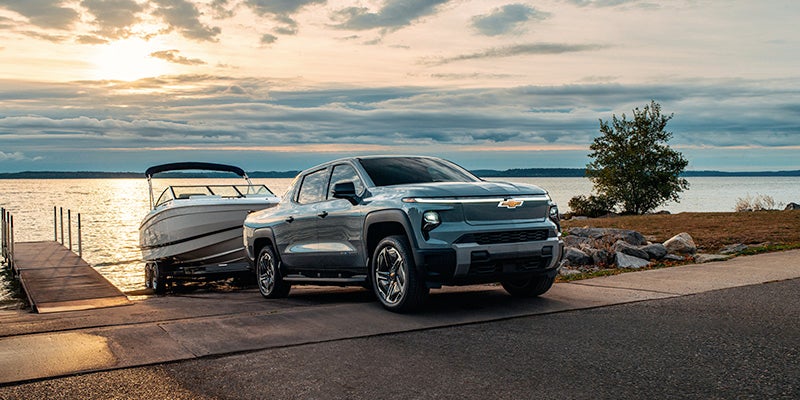
Electric trucks are moving from concept to reality, and the 2026 Chevrolet Silverado EV is one of the vehicles driving that shift. Truck buyers exploring electric pickups are often trying to answer several practical questions. Can an electric truck tow and haul like a traditional pickup? How far can it travel before needing to recharge? And how do new technologies like battery platforms and four wheel steering actually affect real ownership? The 2026 Chevrolet Silverado EV approaches these questions by combining electric performance, long driving range, and work-ready truck capability in a platform designed specifically for electric power. How Electric Motors Power the 2026 Chevrolet Silverado EV Drivers comparing electric trucks frequently ask how an electric drivetrain can deliver the pulling power expected from a pickup. Electric motors operate differently from gasoline engines. While traditional engines build torque gradually as engine speed increases, electric motors produce their maximum torque immediately when the driver presses the accelerator. This characteristic is one of the reasons the 2026 Chevrolet Silverado EV electric motor system delivers strong acceleration and confident towing performance. The 2026 Chevrolet Silverado EV dual motor setup provides power to both the front and rear wheels, creating an all wheel drive configuration. Because torque is available instantly, the truck can respond quickly when merging onto highways, climbing steep grades, or pulling a trailer. This immediate torque delivery also contributes to smooth acceleration, even when the truck is carrying cargo or passengers. For truck buyers transitioning from gasoline pickups, this difference in how power is delivered often becomes one of the most noticeable advantages of electric propulsion. How Battery Architecture Shapes Silverado EV Driving Range Another major topic surrounding the 2026 Chevrolet Silverado EV range is the battery platform that powers the truck. The 2026 Chevrolet Silverado EV Ultium battery platform is General Motors’ modular electric vehicle architecture designed to store large amounts of energy while maintaining vehicle balance and efficiency. Instead of placing a traditional engine under the hood, the Silverado EV stores its battery pack within the vehicle’s frame, lowering the center of gravity and improving stability. Battery capacity plays a major role in determining how far an electric truck can travel between charging sessions. Larger battery packs store more energy, allowing the 2026 Chevrolet Silverado EV to deliver driving ranges that compete with many gasoline trucks between fuel stops. However, real-world driving range is influenced by several factors: • Vehicle speed and aerodynamic drag • Terrain and elevation changes • Cargo weight or trailer load • Weather conditions and temperature Regenerative braking also helps extend the 2026 Chevrolet Silverado EV driving range. When the driver slows down, the electric motors act as generators, converting motion back into electricity that is stored in the battery. What Charging the 2026 Chevrolet Silverado EV Looks Like in Real Life Charging is another area where electric truck buyers want practical clarity. Many shoppers researching the 2026 Chevrolet Silverado EV charging system want to understand what happens during daily ownership and longer road trips. Charging typically occurs in two environments. At home, owners can plug the 2026 Chevrolet Silverado EV into a Level 2 charger, which replenishes battery power overnight. This setup allows many drivers to start each day with a full battery. During longer trips, drivers rely on DC fast charging, which delivers electricity at much higher power levels than home charging. DC fast charging stations allow the Silverado EV to recover a substantial amount of driving range during shorter stops. Charging behavior changes as the battery fills. When the battery is nearly empty, charging speeds are faster. As the battery approaches full capacity, charging slows to protect battery health. Because of this pattern, many drivers plan charging stops during road trips when the battery is between lower and mid charge levels, which helps maintain faster charging speeds. How the 2026 Chevrolet Silverado EV Delivers Truck Capability One of the biggest concerns electric truck shoppers have is whether an EV can still function like a traditional work truck. The 2026 Chevrolet Silverado EV towing capability addresses this concern directly. Electric motors provide strong torque, which helps the truck pull heavy loads while maintaining stable acceleration. Truck buyers evaluating capability often look at several practical factors when comparing electric pickups. • Maximum towing capacity and trailer stability • Payload capacity for tools or equipment • Power delivery when climbing hills or merging with a trailer • Suspension tuning designed to support cargo weight The 2026 Chevrolet Silverado EV is engineered to support these types of real-world truck tasks. The electric drivetrain not only provides pulling power but also offers precise control over how torque is delivered to the wheels, which can improve stability when towing. How Silverado EV Cargo Design Expands Bed Utility Electric powertrain architecture also creates new opportunities for cargo flexibility. The 2026 Chevrolet Silverado EV Multi Flex Midgate system allows the truck bed to extend into the cab when needed. The midgate is a movable panel located between the truck bed and the rear passenger compartment. When opened, it increases the length of the cargo area so the truck can carry longer items that would not normally fit inside a standard pickup bed. This design allows the 2026 Chevrolet Silverado EV cargo system to handle items such as: • Lumber and construction materials • Kayaks or paddleboards • Long ladders or equipment • Camping gear or outdoor recreation equipment When the midgate is closed, the truck maintains a traditional passenger cabin layout. This flexibility allows the Silverado EV to adapt to both everyday commuting and work-oriented hauling. How Silverado EV Technology Improves Everyday Driving Electric trucks often introduce new technologies designed to improve both convenience and vehicle control. The 2026 Chevrolet Silverado EV interior technology focuses on helping drivers monitor vehicle systems while staying connected during travel. Large digital displays allow drivers to monitor battery range, charging status, and vehicle energy use in real time. Navigation systems can also help identify charging stations along a route, which helps drivers plan longer trips more easily. Another notable feature available in the 2026 Chevrolet Silverado EV is four wheel steering. This system allows the rear wheels to turn slightly in the opposite direction of the front wheels at low speeds. Four wheel steering provides several benefits: • Reduces turning radius in tight spaces • Improves maneuverability when parking • Helps a large truck navigate urban environments For drivers accustomed to maneuvering large pickups in crowded areas or job sites, this system can make the truck feel easier to control. What Makes the 2026 Chevrolet Silverado EV Stand Out The conversation around the 2026 Chevrolet Silverado EV reflects how electric trucks are evolving beyond simple alternatives to gasoline vehicles. Instead of focusing solely on electric power, Chevrolet designed the Silverado EV to function as a capable truck first. The Silverado EV combines: • Immediate torque from electric motors • Long driving range supported by the Ultium battery platform • Fast charging capability for longer travel • Work-ready towing and hauling capability • Flexible cargo design through the Multi Flex Midgate For drivers exploring the future of pickup trucks, the 2026 Chevrolet Silverado EV demonstrates how electric technology can support both everyday driving and traditional truck tasks.

Why Drivers Are Talking About the 2026 Chevy Colorado

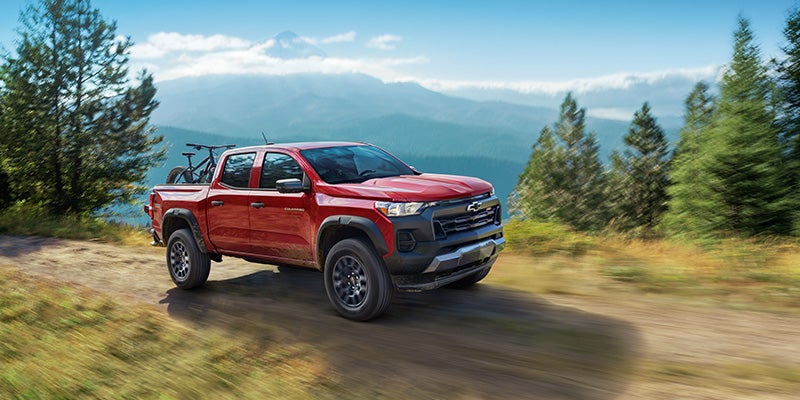
The midsize truck segment has become one of the most competitive areas in the automotive market. Buyers want a vehicle that delivers real capability without the size and cost of a full-size pickup. That’s where the 2026 Chevy Colorado has been generating attention. Drivers researching this truck are often trying to understand how its turbocharged engine delivers strong towing power, how its off-road trims differ, and whether its technology actually improves everyday truck ownership. The 2026 Chevy Colorado stands out because it combines strong torque, specialized trim levels, and practical driver-focused technology in a truck designed for real-world use. Why the 2026 Chevy Colorado TurboMax Engine Is Getting So Much Attention Many shoppers researching the 2026 Chevy Colorado engine ask the same question: how can a turbocharged four-cylinder replace the V6 engines that used to power midsize trucks? The 2026 Chevy Colorado TurboMax engine is a 2.7-liter turbocharged inline-four designed to generate strong low-end torque. Turbocharging works by using exhaust gases to spin a turbine that forces additional air into the engine’s combustion chamber. With more air available, the engine can burn more fuel efficiently and generate more power. In the 2026 Chevy Colorado, this setup produces 310 horsepower and 430 lb-ft of torque. Torque is particularly important for truck owners because it determines how effectively a vehicle can pull weight, climb hills, or accelerate when carrying cargo. The Colorado’s high torque output arrives earlier in the power band than traditional naturally aspirated engines, which means the truck delivers strong pulling power during everyday driving. For drivers merging onto highways with a trailer attached or hauling equipment in the bed, the 2026 Chevy Colorado TurboMax engine provides responsive acceleration without needing a larger displacement engine. How the 2026 Chevy Colorado Balances Towing Strength With Midsize Practicality Another common question shoppers ask is how the 2026 Chevy Colorado towing capacity compares to larger trucks. When properly equipped, the 2026 Chevy Colorado can tow up to 7,700 pounds, which is among the highest ratings in the midsize truck segment. That capacity allows the truck to handle a wide range of recreational and work-related trailers. Examples of what the 2026 Chevy Colorado towing capability can support include: • Small travel trailers for weekend camping • Utility trailers carrying landscaping or construction equipment • Boat trailers for recreational use • Motorcycles, ATVs, or side-by-sides Towing confidence is not just about the headline rating. Chevrolet equips the 2026 Chevy Colorado trailering system with tools that help drivers manage weight and visibility while towing. Available technology includes: • The Colorado Trailering App, which helps drivers monitor trailer status and maintenance reminders • Up to 10 available camera views, helping with hitch alignment and trailer visibility • Integrated trailer brake control for smoother braking behavior when pulling a load Together, these systems help reduce the stress often associated with towing, especially for drivers who may not regularly pull large trailers. Why 2026 Chevy Colorado Trim Differences Matter More Than Many Buyers Expect The 2026 Chevy Colorado trim lineup is another reason the truck has generated so much discussion. Instead of offering minor cosmetic upgrades between trims, Chevrolet built each version to support a different type of truck owner. The lineup includes: • WT (Work Truck) – Designed for straightforward utility and durability • LT – Adds interior technology and comfort for daily driving • Trail Boss – Focused on off-road capability with a factory lift and rugged suspension • Z71 – Blends off-road capability with everyday drivability • ZR2 – The most specialized off-road version of the Colorado The 2026 Chevy Colorado ZR2 stands out because it includes advanced off-road hardware such as Multimatic DSSV dampers, locking differentials, and improved ground clearance. These components allow the ZR2 to handle more extreme terrain than standard trims. However, buyers should understand that specialized off-road equipment can influence other capabilities. For example, the 2026 Chevy Colorado ZR2 towing capacity is slightly lower than some other trims because its suspension and tires are optimized for trail performance rather than maximum towing stability. Understanding these differences helps drivers choose the version of the Colorado that best fits their lifestyle. How 2026 Chevy Colorado Drive Modes Change Capability Another system that often goes unexplained in competitor content is the 2026 Chevy Colorado drive mode system. Drive modes adjust how the truck’s electronics and powertrain behave depending on driving conditions. In the Colorado, these modes can influence throttle response, traction control behavior, transmission shift patterns, and braking. Available 2026 Chevy Colorado drive modes may include: • Normal Mode for everyday commuting and highway driving • Tow/Haul Mode to improve stability and transmission behavior when towing • Off-Road Mode for dirt roads and uneven terrain • Terrain Mode for slow technical off-road driving • Baja Mode on the ZR2 for high-speed desert-style off-road conditions For drivers traveling between pavement, gravel roads, and trails, these systems help the 2026 Chevy Colorado adapt to changing conditions without requiring manual adjustments. Why 2026 Chevy Colorado Technology Is Part of the Conversation Capability alone is no longer enough to attract truck buyers. Drivers also want modern technology that improves everyday driving. The 2026 Chevy Colorado interior technology focuses on usability rather than complexity. A large center touchscreen with Google built-in allows drivers to access navigation, voice commands, and connected services without relying entirely on their phones. Safety is another area where Chevrolet added meaningful technology. The 2026 Chevy Colorado Chevy Safety Assist suite includes several driver assistance features designed to improve awareness and reduce collision risk. Key safety features include: • Automatic Emergency Braking • Forward Collision Alert • Lane Keep Assist with Lane Departure Warning • Following Distance Indicator • IntelliBeam automatic high beams These systems support daily commuting and long highway trips, giving drivers additional confidence behind the wheel. What Makes the 2026 Chevy Colorado a Smart Fit for Many Truck Buyers The reason drivers are talking about the 2026 Chevy Colorado is not just one feature. It is the way multiple systems work together to deliver capability without unnecessary complexity. The Colorado offers: • Strong torque from the TurboMax engine • Competitive 7,700-pound towing capacity • Specialized trims like Trail Boss and ZR2 for off-road enthusiasts • Modern interior technology and driver assistance systems For buyers who want a truck that can handle work tasks, weekend recreation, and everyday commuting, the 2026 Chevy Colorado provides a balance that many midsize trucks aim for but few deliver as effectively.

Contact Us

Fill out this form below and we'll contact you shortly
*Required Fields