




Blog / Monroe, MI Chevrolet Dealer

How Chevy Equinox EV Lease Offers Work and What Changes Your Monthly Payment

Lease offers for the Chevy Equinox EV often look straightforward at first glance, but the monthly payment attached to those offers can vary more than most shoppers expect. That leads to a common set of questions. Why do Chevy Equinox EV lease payments vary so much, and what actually determines your monthly cost? A lease payment is the monthly cost based on depreciation, financing, and lease terms, and each of those elements changes depending on how the lease is structured. Understanding how those pieces work together is what allows you to evaluate a lease beyond the advertised number.

How Chevy Equinox EV Lease Payments Are Structured

What actually makes up a Chevy Equinox EV lease payment? A lease payment is built from three core components. Depreciation, financing, and terms. Depreciation is the portion of the vehicle’s value that is used during the lease period. Residual value is the estimated value of the vehicle at the end of the lease, and it determines how much depreciation is included in the payment.

For a Chevy Equinox EV lease, the difference between the starting vehicle price and the residual value is what you are effectively paying for over time. Financing is applied through a money factor, which is the rate used to calculate the cost of borrowing during the lease.

This structure creates the monthly payment:

  • Depreciation determines how much of the vehicle’s value is used during the lease
  • Residual value reduces the amount you are paying for over time
  • Money factor adds the cost of financing to the payment
  • Lease term defines how long those costs are spread across

The key takeaway is that a Chevy Equinox EV lease payment is not a single number pulled from pricing. It is the result of how these components interact.

What Actually Changes Your Monthly Lease Payment

Why do Equinox EV lease payments vary so much? The variation comes from how each of the core lease components can change depending on the structure of the deal.

Even when two vehicles appear similar, small differences in structure can create noticeable changes in monthly cost. These differences are often tied to how depreciation is calculated, how the lease is financed, and what upfront costs are included.

Several factors influence how the payment shifts:

  • Changes in vehicle pricing directly affect depreciation
  • Residual value differences change how much value is financed
  • Money factor adjustments increase or decrease financing cost
  • Upfront costs can reduce or increase the monthly payment depending on how they are applied

This is why advertised lease payments can differ from what a shopper sees when building their own lease. The structure behind the number is what determines the final cost.

How EV Incentives Affect Equinox EV Lease Pricing

Do EV incentives lower your lease payment? EV incentives are financial credits or programs that reduce the effective cost of the vehicle, and in a Chevy Equinox EV lease, they can be applied in a way that lowers the amount being financed.

These incentives can come from manufacturer programs or other qualifying credits, and they are typically applied before the lease payment is calculated. This reduces the overall cost that is being spread across the lease term.

The impact of incentives can be seen in how they change the structure:

  • Incentives reduce the starting value used in the lease calculation
  • Lower starting value decreases the total depreciation included in the payment
  • Reduced depreciation leads to a lower monthly cost
  • Incentives can vary based on eligibility, timing, and program availability

For shoppers, this means that two Chevy Equinox EV lease offers can look similar but produce different payments depending on how incentives are applied. Understanding whether incentives are included in the advertised payment is essential when comparing offers.

Why Lease Terms and Mileage Change Your Cost

How do lease terms and mileage affect monthly cost? Lease term is the length of time the vehicle is leased, and mileage is the number of miles allowed per year. Both factors directly influence how the lease payment is calculated.

A longer lease term spreads depreciation over more months, which can reduce the monthly payment. A shorter term concentrates that cost into fewer months, which increases the payment. Mileage affects the residual value because higher mileage reduces the expected value of the vehicle at the end of the lease.

These adjustments create tradeoffs in the lease structure:

  • Longer terms reduce monthly payments but extend the lease duration
  • Shorter terms increase monthly payments but reduce total time commitment
  • Higher mileage allowances lower residual value and increase monthly cost
  • Lower mileage allowances increase residual value and reduce monthly cost

For a Chevy Equinox EV lease, these decisions should align with how you actually drive. Choosing terms that do not match your routine can change the value of the lease over time.

How to Evaluate If an Equinox EV Lease Makes Sense

How do you know if a lease payment is a good deal? A strong lease evaluation is not based only on the monthly number. It is based on how that number is built and whether it aligns with your driving habits and financial priorities.

The Chevy Equinox EV lease makes sense when the structure of the payment matches how you plan to use the vehicle. This means evaluating both the cost and the conditions behind it.

When reviewing a lease, focus on:

  • Whether incentives are included in the payment calculation
  • How the lease term aligns with your ownership timeline
  • Whether mileage limits match your driving habits
  • How the payment compares to the value you receive during the lease

The goal is to understand the reasoning behind the payment rather than comparing numbers alone. When the structure is clear, the decision becomes more straightforward.

Posted in:

Related Posts

GM Rewards™ Works at Allen Chevrolet

How GM Rewards™ Can Save You Money at Allen Chevrolet

If you own a Chevrolet or are thinking about buying one, GM Rewards™ is one of the most practical benefits you might not be taking full advantage of. For drivers in Monroe, Michigan, enrolling in GM Rewards™ is a straightforward way to earn value on everyday purchases and put it toward your next vehicle, service visit, or accessories. What Is GM Rewards™? GM Rewards™ is a loyalty program that allows Chevrolet owners and customers to earn points on eligible purchases and activities. The program connects directly to your Chevrolet ownership experience, meaning every qualifying interaction with the brand can bring you closer to meaningful savings. Whether you're buying a new vehicle, scheduling a service appointment, or shopping for accessories, GM Rewards™ is built to recognize and reward your loyalty. Understanding how GM Rewards ™ points work is simpler than you might think—and getting started takes just a few minutes. How Do GM Rewards™ Points Work? When you make eligible purchases or complete certain activities, you accumulate points in your GM Rewards™ account. Those points can then be redeemed toward a future vehicle purchase, lease, or service at a participating dealer. The more you engage with the program, the more points you build up over time. Points can be earned through a variety of channels. Using a GM Rewards™ Mastercard is one of the most common ways customers accumulate points quickly. You can also earn through services, OnStar® subscriptions, and other qualifying Chevrolet-related experiences. It's worth reviewing the program details to understand exactly which purchases count toward your balance so you can maximize every dollar. How to Enroll in GM Rewards™ Enrolling in GM Rewards™ is easy and free. You can sign up through the MyChevrolet App or online through your Chevrolet account. Once you're enrolled, your points begin accumulating automatically with eligible purchases and activity. Knowing how GM Rewards™ points work is only half the equation - you also need to make sure your account is active and connected to your purchases. Taking a few minutes to set up your profile correctly can make a real difference when it's time to redeem. Redeeming Your GM Rewards™ Points Once you've built up a balance, redeeming points is just as straightforward. You can apply points toward the purchase or lease of a new Chevrolet, which can lower your out-of-pocket costs at the time of sale. Points can also be used for eligible services like oil changes, tire replacements, brake inspections, and other routine maintenance. You can use your points toward GM accessories at participating dealerships, too. If you're due for a service appointment or planning to shop for Chevrolet accessories, your points balance is a great place to start. Every point you redeem is money you've already earned back simply by being a loyal Chevrolet customer. Start Earning With Allen Chevrolet GM Rewards™ is one of the easiest ways to get more out of your Chevrolet ownership experience. From enrollment to earning to redemption, the program is designed to reward customers who already love the brand. Drivers throughout Monroe, Michigan can take advantage of this program and start putting their loyalty to work. Visit us to learn more about GM Rewards™ and how to make the most of your Chevrolet ownership experience. The team at Allen Chevrolet is ready to help you get started.

Chevy Lease vs Finance Options

Chevy Lease vs Finance: Which Option Is Right for Monroe Drivers?

When you start searching for a new Chevy one of the first things you need to decide is if you should lease or buy a Chevrolet. The answer is that it depends on how you drive around Monroe, MI, how you budget, and what is most important to you in a vehicle. Understanding the difference between a Chevy lease vs finance deal can help you walk into the process feeling confident rather than confused. What It Means to Lease a Chevrolet When you lease, you're essentially paying to use a vehicle for a set period of time - typically 24 to 36 months. Your monthly payments are generally lower compared to financing because you're only covering the vehicle's depreciation during that term, not its full value. Leasing works especially well if you prefer driving a newer model every few years, want lower monthly payments, and don't put a lot of miles on your vehicle each year. For drivers who commute short to moderate distances and enjoy having the latest features, leasing can be a smart, cost-effective choice. Keep in mind that lease agreements typically include mileage limits. Going over those limits can result in additional charges at the end of the term. What It Means to Finance a Chevrolet Financing means you're taking out a loan to purchase the vehicle outright. Once you've made your final payment, you own it completely. This option tends to make more sense if you plan to keep your Chevy for many years, drive long distances, or want the freedom to customize your vehicle without restrictions. When you finance, your monthly payments may be higher than a lease, but you're building equity with every payment. You also won't face mileage penalties or wear-and-tear fees when your term ends. If you fall on the side of wanting long-term value and full ownership, financing is likely the better fit. Key Differences to Keep in Mind The core of the Chevy lease vs finance conversation comes down to a few key factors. Think about how long you plan to keep the vehicle, how many miles you drive annually, and whether you'd rather have lower payments now or build toward ownership over time. Leasing offers flexibility and lower upfront costs. Financing offers stability and long-term savings. Neither option is inherently better - it simply depends on your priorities. It's also worth considering your lifestyle. Do you tend to keep vehicles until the wheels fall off, or do you enjoy upgrading every couple of years? The answer often points clearly toward one option or the other. How Chevrolet's Current Lineup Fits Both Paths No matter if you decide to lease or finance, Chevrolet's current lineup gives you plenty of strong options to consider. The 2026 Silverado, the 2026 Trax, and the 2026 Trailblazer are all popular choices for drivers looking for dependability, comfort, and value. Chevrolet also offers a growing electric vehicle lineup, including the Equinox EV and the Silverado EV, for drivers who want to go electric on either a lease or finance arrangement. The variety means there's a Chevy that fits nearly any budget or driving lifestyle. Visit Allen Chevrolet to Explore Your Options Deciding between a Chevy lease vs finance option doesn't have to feel overwhelming. The right answer becomes much clearer when you talk through your needs with someone who knows the vehicles and the numbers. If you're in the Monroe, MI area and trying to figure out whether you should lease or buy a Chevrolet, the team at Allen Chevrolet is ready to help you find the path that makes the most sense for your life and your budget. Stop by, browse the inventory online, or reach out to get started today.

Chevy Tahoe SUV For Sale

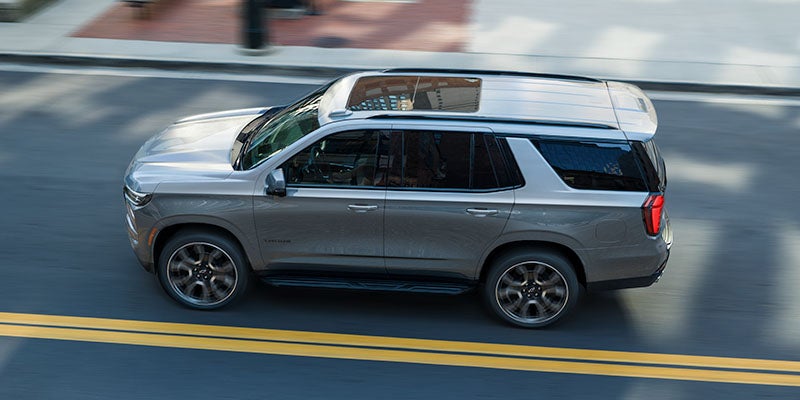
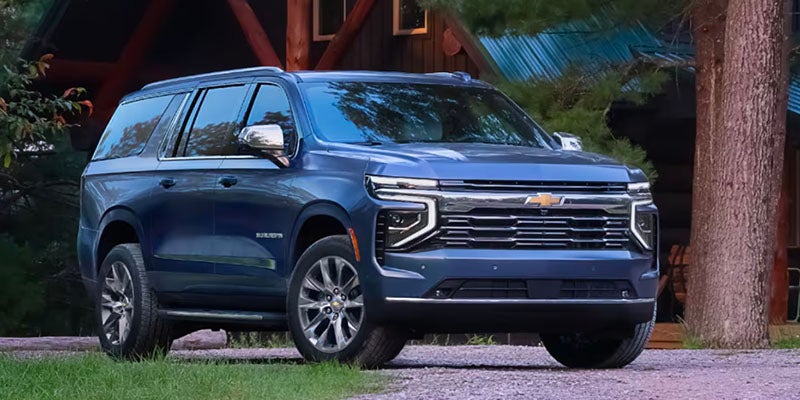
Chevy Tahoe vs. Suburban: Which Full-Size SUV Is Right for Your Family?

When Monroe, Michigan families need a full-size SUV, they often find themselves weighing the Chevy Tahoe vs. Suburban. Both are standout full-size SUVs from Chevrolet, and both deliver the space, capability, and comfort that larger families have come to rely on. The challenge is figuring out which one is the right fit for your household. Size and Interior Space When comparing the Chevy Tahoe vs. Suburban, the most obvious difference is overall length. The Suburban is longer than the Tahoe at about 19 feet, which translates directly into more 3 rd -row legroom and significantly more cargo space behind the 3 rd row. The Tahoe gives you 25.5 cu. ft. of cargo space for everyday use behind the 3 rd row, but the Suburban gives you a massive 41.5 cu. ft.—even when you’re traveling with a full house of passengers. If you regularly haul gear, sports equipment, or luggage for a large family, that extra room can make a real difference day to day. The Tahoe, while still a genuinely spacious Chevrolet full-size SUV, is a bit more manageable in tighter parking situations and urban settings at 17.6 feet long. For families who want most of the space without as much overall length, the Tahoe strikes a solid balance. Towing and Capability Both the Tahoe and the Suburban share the same powertrain options and deliver serious towing capability—up to 8,300 lbs. in the Suburban and 8,400 lbs. in the Tahoe. Either vehicle can be well-suited for pulling a boat, camper, or trailer, making them popular choices for families who enjoy weekend adventures. Available 4WD on both models also means you can handle Michigan winters with the same confidence as towing across campsites and rocky terrain. This Chevrolet full-size SUV comparison shows that if raw towing numbers are your priority, neither vehicle puts you at a major disadvantage. Your choice here will likely come down to other factors, like how many seats you need and how much you value cargo flexibility. Seating and Passenger Comfort Both SUVs offer seating for up to 9 passengers depending on configuration, but the Suburban's additional length provides more breathing room for rear-seat passengers on longer drives. The 1 st and 2 nd row-legroom is about the same in both SUVs, but it’s that 3 rd row where you’re passengers will feel the difference. The Suburban provides 36.7” of 3 rd -row legroom, while the Tahoe provides 34.9”. That’s the difference between an adult or a teenager traveling comfortably. If your family takes frequent road trips or you regularly carpool, the Suburban's extra space could be a meaningful comfort upgrade. The Tahoe seats up to 8 in some configurations and still provides generous room for most families. For households with 3 kids and the occasional extra passenger, the Tahoe handles the job well without feeling cramped and doesn’t give you extra size to lug around when you don’t need it. Trim Levels and Features The 2026 Tahoe and Suburban share a similar trim structure, which means the features you want—from the advanced touchscreen infotainment system to available driver assistance technologies—are accessible across both models. The Tahoe and Suburban both come equipped with a Best-in-Class 17.7” touchscreen featuring wireless smartphone connectivity and Google Built-in. Both vehicles support available OnStar® connectivity, a wireless hotspot, and a range of Chevrolet safety technologies such as Enhanced Automatic Emergency Braking and Blind Zone Steering Assist. Higher trim levels on both models bring premium finishes, additional tech, and elevated interior materials. Whether you're drawn to the LT, Z71, or High Country trim, you'll find comparable options on either vehicle. Which One Should You Choose? The right call in the Chevy Tahoe vs. Suburban decision ultimately comes down to your family's specific needs. If you want a slightly easier-to-park SUV that still delivers exceptional space and capability, the Tahoe is a great fit. If you need maximum cargo room, longer 3 rd -row legroom, and plan to carry a full crew regularly, the Suburban is worth the extra investment. Families in Monroe, MI, can explore both models and find the configuration that works best for their lifestyle at Allen Chevrolet. Visit us to browse current inventory and take the next step toward your ideal Chevrolet full-size SUV.