




Blog / Monroe, MI Chevrolet Dealer

Why Drivers Are Talking About the 2026 Chevy Colorado

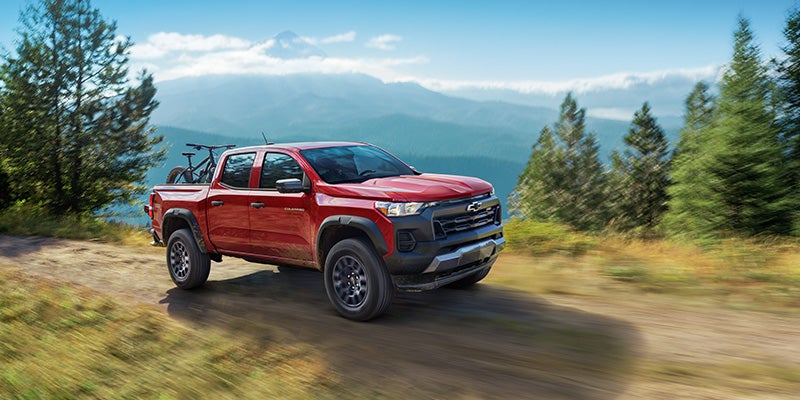
The midsize truck segment has become one of the most competitive areas in the automotive market. Buyers want a vehicle that delivers real capability without the size and cost of a full-size pickup. That’s where the 2026 Chevy Colorado has been generating attention. Drivers researching this truck are often trying to understand how its turbocharged engine delivers strong towing power, how its off-road trims differ, and whether its technology actually improves everyday truck ownership. The 2026 Chevy Colorado stands out because it combines strong torque, specialized trim levels, and practical driver-focused technology in a truck designed for real-world use.

Why the 2026 Chevy Colorado TurboMax Engine Is Getting So Much Attention

Many shoppers researching the 2026 Chevy Colorado engine ask the same question: how can a turbocharged four-cylinder replace the V6 engines that used to power midsize trucks?

The 2026 Chevy Colorado TurboMax engine is a 2.7-liter turbocharged inline-four designed to generate strong low-end torque. Turbocharging works by using exhaust gases to spin a turbine that forces additional air into the engine’s combustion chamber. With more air available, the engine can burn more fuel efficiently and generate more power.

In the 2026 Chevy Colorado, this setup produces 310 horsepower and 430 lb-ft of torque. Torque is particularly important for truck owners because it determines how effectively a vehicle can pull weight, climb hills, or accelerate when carrying cargo. The Colorado’s high torque output arrives earlier in the power band than traditional naturally aspirated engines, which means the truck delivers strong pulling power during everyday driving.

For drivers merging onto highways with a trailer attached or hauling equipment in the bed, the 2026 Chevy Colorado TurboMax engine provides responsive acceleration without needing a larger displacement engine.

How the 2026 Chevy Colorado Balances Towing Strength With Midsize Practicality

Another common question shoppers ask is how the 2026 Chevy Colorado towing capacity compares to larger trucks.

When properly equipped, the 2026 Chevy Colorado can tow up to 7,700 pounds, which is among the highest ratings in the midsize truck segment. That capacity allows the truck to handle a wide range of recreational and work-related trailers.

Examples of what the 2026 Chevy Colorado towing capability can support include:

• Small travel trailers for weekend camping
• Utility trailers carrying landscaping or construction equipment
• Boat trailers for recreational use
• Motorcycles, ATVs, or side-by-sides

Towing confidence is not just about the headline rating. Chevrolet equips the 2026 Chevy Colorado trailering system with tools that help drivers manage weight and visibility while towing.

Available technology includes:

• The Colorado Trailering App, which helps drivers monitor trailer status and maintenance reminders
• Up to 10 available camera views, helping with hitch alignment and trailer visibility
• Integrated trailer brake control for smoother braking behavior when pulling a load

Together, these systems help reduce the stress often associated with towing, especially for drivers who may not regularly pull large trailers.

Why 2026 Chevy Colorado Trim Differences Matter More Than Many Buyers Expect

The 2026 Chevy Colorado trim lineup is another reason the truck has generated so much discussion. Instead of offering minor cosmetic upgrades between trims, Chevrolet built each version to support a different type of truck owner.

The lineup includes:

• WT (Work Truck) – Designed for straightforward utility and durability
• LT – Adds interior technology and comfort for daily driving
• Trail Boss – Focused on off-road capability with a factory lift and rugged suspension
• Z71 – Blends off-road capability with everyday drivability
• ZR2 – The most specialized off-road version of the Colorado

The 2026 Chevy Colorado ZR2 stands out because it includes advanced off-road hardware such as Multimatic DSSV dampers, locking differentials, and improved ground clearance. These components allow the ZR2 to handle more extreme terrain than standard trims.

However, buyers should understand that specialized off-road equipment can influence other capabilities. For example, the 2026 Chevy Colorado ZR2 towing capacity is slightly lower than some other trims because its suspension and tires are optimized for trail performance rather than maximum towing stability.

Understanding these differences helps drivers choose the version of the Colorado that best fits their lifestyle.

How 2026 Chevy Colorado Drive Modes Change Capability

Another system that often goes unexplained in competitor content is the 2026 Chevy Colorado drive mode system.

Drive modes adjust how the truck’s electronics and powertrain behave depending on driving conditions. In the Colorado, these modes can influence throttle response, traction control behavior, transmission shift patterns, and braking.

Available 2026 Chevy Colorado drive modes may include:

• Normal Mode for everyday commuting and highway driving
• Tow/Haul Mode to improve stability and transmission behavior when towing
• Off-Road Mode for dirt roads and uneven terrain
• Terrain Mode for slow technical off-road driving
• Baja Mode on the ZR2 for high-speed desert-style off-road conditions

For drivers traveling between pavement, gravel roads, and trails, these systems help the 2026 Chevy Colorado adapt to changing conditions without requiring manual adjustments.

Why 2026 Chevy Colorado Technology Is Part of the Conversation

Capability alone is no longer enough to attract truck buyers. Drivers also want modern technology that improves everyday driving.

The 2026 Chevy Colorado interior technology focuses on usability rather than complexity. A large center touchscreen with Google built-in allows drivers to access navigation, voice commands, and connected services without relying entirely on their phones.

Safety is another area where Chevrolet added meaningful technology. The 2026 Chevy Colorado Chevy Safety Assist suite includes several driver assistance features designed to improve awareness and reduce collision risk.

Key safety features include:

• Automatic Emergency Braking
• Forward Collision Alert
• Lane Keep Assist with Lane Departure Warning
• Following Distance Indicator
• IntelliBeam automatic high beams

These systems support daily commuting and long highway trips, giving drivers additional confidence behind the wheel.

What Makes the 2026 Chevy Colorado a Smart Fit for Many Truck Buyers

The reason drivers are talking about the 2026 Chevy Colorado is not just one feature. It is the way multiple systems work together to deliver capability without unnecessary complexity.

The Colorado offers:

• Strong torque from the TurboMax engine
• Competitive 7,700-pound towing capacity
• Specialized trims like Trail Boss and ZR2 for off-road enthusiasts
• Modern interior technology and driver assistance systems

For buyers who want a truck that can handle work tasks, weekend recreation, and everyday commuting, the 2026 Chevy Colorado provides a balance that many midsize trucks aim for but few deliver as effectively.

Posted in:

Related Posts

Chevy Hybrid Questions, Answered: What Drivers Should Know About Electrified Options in the Lineup

Shoppers searching for Chevy hybrid models are often trying to answer a more basic question before they ever look at a specific vehicle. Does Chevy actually make hybrid vehicles, and what do those searches really mean in the context of the current lineup? The confusion comes from how electrified vehicles are categorized. A hybrid is a vehicle that uses both a gas engine and an electric motor, while an electric vehicle is powered entirely by a battery and electric motor. Understanding how these systems work and how they apply to Chevrolet’s lineup is what allows you to make the right decision before narrowing down to a specific model. What “Hybrid” Means and How the System Works What is a hybrid vehicle and how does it work? A hybrid vehicle uses both a gasoline engine and an electric motor to move the vehicle, combining two power sources into a single system. The system is designed to improve efficiency by using electric power when it is most effective and relying on the engine when more sustained power is needed. In a hybrid system, the electric motor assists the engine during acceleration and low speed driving. Energy is stored in a battery that is charged through regenerative braking, which captures energy that would otherwise be lost when slowing down. This system works through coordinated interaction: more The electric motor provides assistance during low speed operation and acceleration The gasoline engine supports higher speed driving and sustained power needs Regenerative braking captures energy and stores it in the battery The system switches between or combines power sources depending on driving conditions For drivers, this means a hybrid vehicle changes how energy is used rather than replacing the engine entirely. It is designed to improve efficiency without requiring a change in fueling habits. How Chevy’s Electrified Lineup Is Structured Today Does Chevy actually make hybrid vehicles? The Chevrolet electrified lineup is currently more focused on fully electric vehicles rather than traditional hybrid systems. When shoppers search for Chevy hybrid models, they are often looking for fuel efficient or electrified options, even if those vehicles are fully electric rather than hybrid. This distinction matters because the lineup is structured differently than some other brands. Chevrolet has invested heavily in electric vehicles, which are powered entirely by battery systems rather than combining engine and motor operation. The Chevrolet electrified lineup can be understood through its structure: Fully electric vehicles rely entirely on battery power and do not use gasoline Hybrid systems combine engine and electric motor operation Plug-in hybrid systems allow external charging while still using a gas engine For Chevy, the focus has shifted toward electric vehicles as the primary electrified solution. This means shoppers searching for hybrid options may actually be better aligned with electric models depending on their goals. What the Difference Is Between Hybrid, Plug-In Hybrid, and EV Systems What is the difference between hybrid and electric vehicles? A hybrid vehicle combines a gasoline engine and electric motor, while an electric vehicle uses only a battery and electric motor for propulsion. A plug-in hybrid is a hybrid with a larger battery that can be charged externally, allowing it to operate on electric power for short distances before using the engine. These systems differ in how energy is stored and used: Hybrid systems generate and use electricity internally without external charging Plug-in hybrids allow external charging and can operate in electric-only mode for limited distances Electric vehicles rely entirely on battery storage and require external charging Each system changes how the vehicle is used: Hybrid systems reduce fuel consumption without changing refueling habits Plug-in hybrids introduce partial electric driving with flexibility Electric vehicles eliminate gasoline use and rely on charging infrastructure Understanding these differences is critical because they determine how the vehicle fits into your daily routine and long-term ownership. How Electrified Systems Change Real-World Driving How do hybrid and EV systems affect everyday driving? Electrified systems change how energy is delivered to the vehicle and how the driver interacts with that energy during daily use. In hybrid systems, the transition between engine and electric motor is designed to be seamless. The driver experiences improved efficiency without needing to adjust how they drive or refuel. In electric vehicles, the experience changes more significantly because the vehicle operates entirely on battery power. This creates different driving experiences: Hybrid vehicles maintain familiar driving patterns with improved efficiency Electric vehicles deliver instant torque and quieter operation Charging replaces refueling in electric vehicles Energy use becomes more visible through range and battery management For Chevy EV models, this shift is central to how the vehicle operates. The experience is defined by how energy is stored, delivered, and managed rather than by traditional engine behavior. How to Decide Which Electrified Option Fits Your Needs Should I choose a hybrid or electric Chevy vehicle? The decision depends on how you drive and how comfortable you are with different energy systems. The Chevrolet electrified lineup is designed to support drivers moving toward electric mobility, but the right choice depends on your routine and expectations. To evaluate which option fits, consider: Whether you prefer traditional refueling or are open to charging How far you drive on a regular basis Whether you want a gradual transition to electrification or a full shift How your driving environment supports charging or fuel access The key is aligning the system with your daily use. Hybrid systems offer familiarity with added efficiency, while electric vehicles offer a fully different approach to energy and driving. Understanding that difference allows you to choose with clarity.

What Good Service Updates Should Look Like When Your Vehicle Needs More Than a Quick Visit

When a vehicle stays in service longer than expected, the experience shifts from routine maintenance to uncertainty. That uncertainty is not created by the repair itself. It is created by a lack of visibility into what is happening. What should service updates look like during a longer repair, and how should you know what is happening with your vehicle? The service process is the sequence of inspection, diagnosis, approval, repair, and completion, and each stage produces information that should be communicated clearly. Understanding how that communication should work is what allows a longer service visit to feel controlled instead of unclear. Why Longer Service Visits Create Uncertainty Without Communication What should service updates look like during a longer repair? Communication is the process of providing updates on vehicle status, timing, and next steps. When that communication is missing, even a standard repair can feel unpredictable. During extended service visits, the vehicle is out of the owner’s control for a longer period of time. Without updates, there is no way to understand whether progress is being made or what stage the repair is in. This creates a gap between what is happening in the service department and what the customer understands. This gap leads to uncertainty because: more The vehicle repair timeline is not visible to the customer Changes or delays are not explained as they occur The customer does not know when the next update will happen The process feels inactive even when work is progressing The key issue is not the length of the repair. It is whether the process is being communicated as it unfolds. What the Full Service Process Looks Like During Extended Repairs What actually happens during a multi day vehicle repair? The service process is the sequence of inspection, diagnosis, approval, repair, and completion, and each stage serves a specific purpose in identifying and resolving the issue. Extended repairs often involve multiple stages because the issue may not be immediately visible during initial inspection. Diagnosis requires identifying the root cause of the problem, which can take time depending on system complexity. The full process typically includes: Initial inspection to identify visible or reported issues Diagnostic testing to determine the underlying cause Approval stage where repair scope and cost are confirmed Repair phase where parts are replaced or systems are corrected Final verification to ensure the issue is resolved Each of these stages generates new information. Without communication, those transitions are invisible to the customer, even though they are critical to the repair. When Updates Should Happen During Multi Day Service How often should I receive updates during service? Updates should occur when the vehicle moves between stages or when new information affects the timeline or outcome. This creates a structured communication pattern rather than random updates. In a Chevrolet service process, updates should align with key moments: After inspection to explain initial findings After diagnosis to confirm the exact issue Before repairs begin to approve cost and scope During repair if delays or changes occur At completion to explain what was done and what to expect next This structure ensures that the customer remains informed at the points where decisions or expectations change. It also creates consistency, which reduces uncertainty. The frequency of updates is less important than the timing. Updates need to happen when they are meaningful, not simply on a schedule without new information. Why Timelines Change and What Causes Delays Why do repair timelines change after diagnosis? A repair timeline is the expected duration for each stage of service, but that timeline can shift as new information is discovered. Delays are often the result of factors within the service process rather than external issues. Diagnosis may reveal additional problems that were not visible during inspection. Parts may need to be ordered, and availability can affect how quickly repairs can continue. Several factors contribute to timeline changes: Additional issues discovered during diagnostic testing Parts availability and delivery timing Complexity of the repair and required labor Scheduling and coordination within the service department These factors are part of how modern vehicle systems are serviced. The important distinction is whether those changes are communicated clearly when they occur. When delays are explained in context, they become part of the process rather than a source of frustration. What Clear Service Communication Should Look Like for Customers How should a dealership communicate during service? Clear communication should provide structured, consistent updates that align with each stage of the repair process. A strong service experience is built on communication that keeps the customer connected to what is happening with their vehicle. This means explaining not only what is being done, but why it is being done and what comes next. Customers should expect: Updates tied to each stage of the Chevrolet service process Clear explanation of findings, repairs, and timeline changes Advance communication when additional work is needed Consistent follow through until the repair is complete These elements define what good service updates look like. They turn a longer repair from an uncertain experience into one that feels structured and understandable.

Is the 2026 Chevy Trax a Good Fit for Drivers Who Want SUV Space Without Full Size Bulk?

Choosing the right SUV is not just about getting more space. It is about getting the right amount of space for how you actually drive every day. The 2026 Chevy Trax is designed as a compact SUV, which means it prioritizes efficiency, maneuverability, and practical interior space over overall size. A compact SUV is a smaller sport utility vehicle designed to provide usable passenger and cargo space while remaining easier to drive and park than larger models. That leads to a key question. Is the Chevy Trax big enough for everyday life, or does its smaller footprint create limitations over time? The answer depends on how its size translates into real world use. How Chevy Trax Size Is Designed for Daily Usability Is the Chevy Trax big enough for everyday driving? The Chevy Trax size is engineered to balance interior usability with a smaller exterior footprint. Vehicle footprint refers to the total space a vehicle occupies on the road, including its length and width, and it directly affects how easy the vehicle is to maneuver and position. The Chevy Trax uses a compact footprint to reduce the space required for everyday driving tasks. This becomes noticeable in situations like navigating through traffic, turning at intersections, and positioning the vehicle in tighter areas. The benefit of this design is not just convenience. It reduces the effort required to operate the vehicle in common driving environments: more A smaller footprint allows easier positioning in traffic lanes Reduced length makes turning and navigating tighter streets more manageable Narrower width improves comfort in tighter driving spaces Overall size reduces the need for constant adjustment in crowded environments For daily driving, this means the Chevy Trax is designed to feel manageable rather than oversized. It supports consistent use without requiring the driver to compensate for vehicle size. What Chevy Trax Interior and Cargo Space Mean in Real Use How much can the Chevy Trax actually carry? Cargo space is the usable storage area behind the seating rows, and its value depends on how that space is shaped and accessed rather than just its total volume. The Chevy Trax interior is designed to provide functional space for both passengers and cargo without expanding the overall size of the vehicle. This means the available storage area is optimized for everyday items rather than large or irregular loads. In real use, this translates into practical storage scenarios: Cargo space behind the rear seats supports items like groceries, backpacks, and smaller equipment The shape of the cargo area allows items to be placed flat for stability Rear seat folding expands storage when additional space is needed Interior layout supports a balance between passenger seating and cargo needs The key takeaway is that the Chevy Trax cargo space is designed for routine use. It is intended to handle daily storage needs while maintaining passenger comfort, rather than maximizing capacity at all times. How Compact Size Improves Maneuverability and Parking Does a smaller SUV make driving easier? Maneuverability is how easily a vehicle can change direction and navigate tight spaces, and it is directly influenced by the vehicle’s size, turning radius, and overall design. The Chevy Trax is designed to reduce the effort required for common driving tasks such as parking, turning, and navigating confined areas. A smaller turning radius allows the vehicle to change direction within a tighter space, which becomes especially useful in urban environments. This design improves everyday driving in several ways: Parking requires less space and fewer adjustments Turning in tight areas becomes more controlled and predictable Navigating crowded parking lots is less demanding The driver can maintain better awareness of surrounding space For drivers who frequently encounter tight parking or busy streets, these advantages reduce both effort and stress during daily use. What Tradeoffs Exist Between Compact and Larger SUVs Should I choose a compact SUV over a larger one? The decision involves understanding the tradeoffs between space and usability. Larger SUVs provide more interior volume, but they also require more space to operate and manage. The Chevy Trax offers a different approach. It focuses on providing enough space for daily needs while improving how the vehicle fits into common driving environments. These tradeoffs can be evaluated based on how the vehicle is used: Compact SUVs like the Chevy Trax prioritize ease of driving over maximum capacity Larger SUVs provide more cargo and passenger space but require more effort to maneuver Compact size improves efficiency in urban and suburban environments Larger size may be beneficial for frequent full capacity use The important distinction is how often maximum space is actually needed. For many drivers, daily use does not require the capacity of a larger SUV, making the compact design more practical. How to Decide If the Chevy Trax Fits Your Daily Routine Is the Chevy Trax the right SUV for your routine? The answer depends on how your daily driving aligns with what the vehicle is designed to do. A good vehicle fit is one that supports your routine without adding unnecessary complexity. The Chevy Trax is well suited for drivers who value efficiency, ease of use, and practical interior space. It is designed to handle everyday tasks while remaining easy to operate in a variety of environments. To evaluate if it fits your needs, consider how you drive: How often you need to carry passengers and cargo at the same time Whether parking and maneuverability are part of your daily routine How frequently you require maximum interior space Whether ease of driving is a priority in your decision The Chevy Trax is built to simplify daily driving. Its size, layout, and usability are designed to align with real world routines rather than occasional maximum capacity needs.